Last updated: August 2026. This is practical, evergreen safety advice. Always read a hostel's most recent reviews before you book, as standards can change.
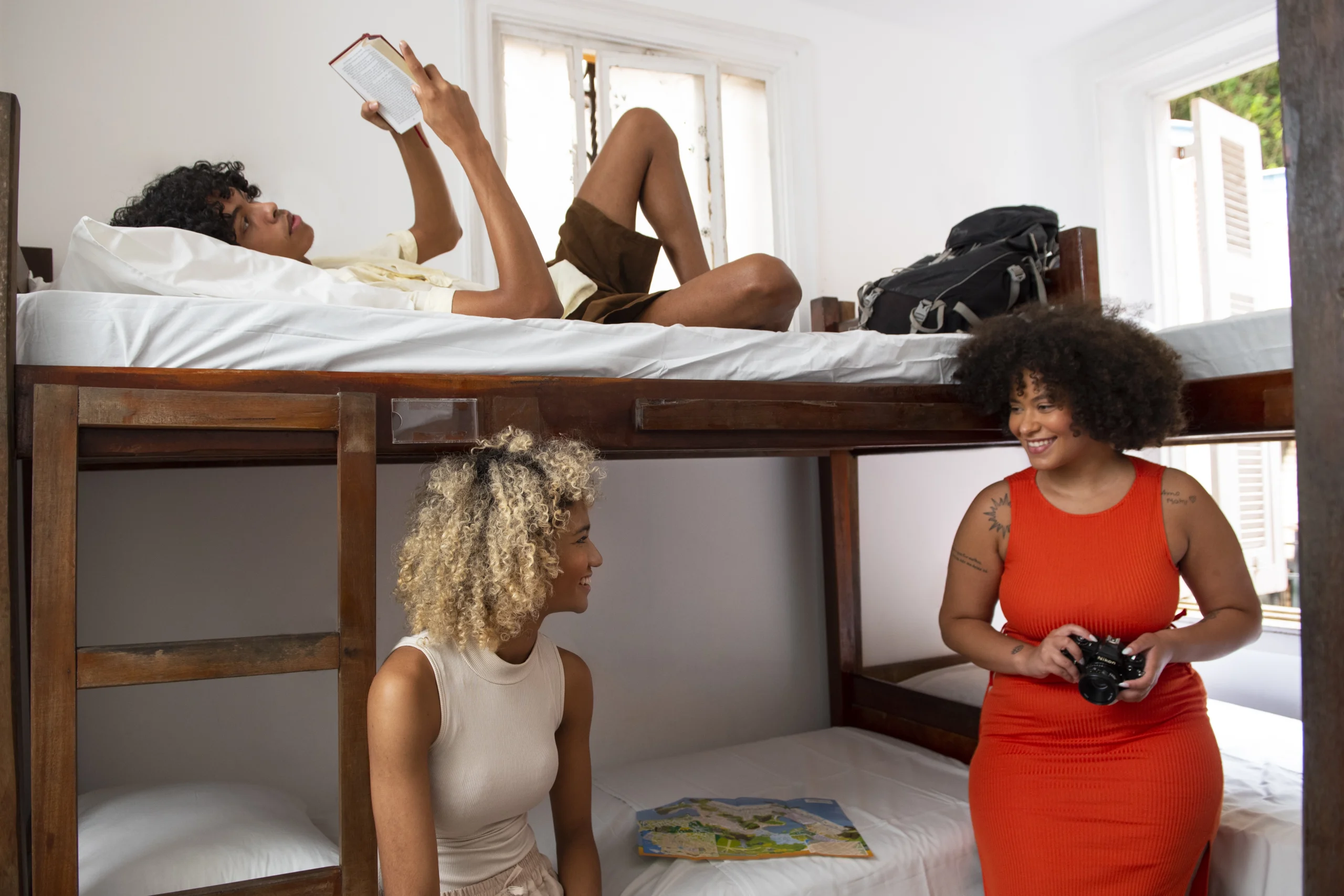
The short answer: yes, hostels in London are generally safe. London is a safe major city, and reputable hostels come with 24-hour reception, keycard entry, CCTV and in-room lockers. The real risk in any hostel is not violence but petty theft in the dorms, and that is easily managed with a padlock and a little common sense. Choose a well-reviewed hostel and you will be fine.
Worrying whether hostels are safe is completely normal, especially on a first trip or if you are travelling solo. The honest answer is reassuring, but it is worth understanding what "safe" really means, what the genuine risks are, and how to book well. This guide gives you all three, without the hype.
London 4 dummies: the honest safety realities
- The risk is theft, not violence. In a hostel, opportunistic petty theft from dorms is the thing to guard against, and it is rare in well-run places.
- A padlock is the best money you will spend. A small padlock for the locker, a few pounds, removes almost all of the risk.
- Read the last ten reviews. Recent reviews mentioning cleanliness and security tell you far more than the star rating.
- Cheapest is not safest. The very cheapest, far-out hostels are where standards slip. Pay a little more for a reputable, central one.
- Female-only dorms exist. Most good hostels offer them, and they are worth booking for extra peace of mind.
So, are hostels in London safe?
Yes. London is one of the safer big cities to visit, and its established hostels are well run and well secured. Millions of solo travellers, students and backpackers stay in them every year without incident. What you are really weighing up is not personal danger, which is very low, but the everyday care that dorm living asks of you: keeping your things secure and picking a decent place. Get those two right and a hostel is as safe as a budget hotel, with a friendlier atmosphere thrown in.
What makes a hostel safe
When you compare hostels, look for these features. The reputable brands have all of them as standard.
- 24-hour reception. Someone on the desk day and night, so there is always help and no unmanned front door.
- Keycard or coded entry. To the building, the floor and ideally the dorm, so only guests get in.
- In-room lockers. A locker by or under each bed, big enough for a day bag and a laptop. Bring or buy a padlock.
- CCTV in common areas. Cameras in corridors, entrances and lounges, not in dorms.
- Female-only dorms. A women-only option for those who want it.
- Strong recent reviews. The best signal of all. Look for comments on security and cleanliness from the last few months.
The real risks, and how to avoid them
Being honest about the risks is the best way to stay safe. There are really only two worth thinking about.
Petty theft is the main one. Almost all hostel problems are opportunistic: a bag left on a bed, a phone left charging in a common room, a wallet in an unlocked locker. The fix is simple. Use the locker, keep your passport, phone and cash on you or locked away, and never leave valuables unattended. Treat it like any busy public place and you remove nearly all the risk.
The occasional grotty hostel is the other. A small number of very cheap places cut corners on cleanliness and security. This is entirely avoidable: read the most recent reviews, book a reputable brand, and do not chase the rock-bottom price into a part of town you have never heard of.
Safety for solo female travellers
London is a good city for solo female travellers, and hostels here are used to them. Book a female-only dorm if you would feel more comfortable, choose a well-reviewed, central hostel, and favour ones with 24-hour reception and good lighting in the common areas. Trust your instincts on arrival: if a place feels wrong, most bookings can be changed. Keep your phone charged and share your address with someone at home, and you can enjoy the social side of hostel life with total confidence.
The safest areas for hostels
London is broadly safe across the centre, and the best hostel neighbourhoods are all well connected and busy with travellers. Good choices include Bloomsbury and King's Cross for central transport, South Kensington and Paddington for a calmer feel, and Southwark and Bankside by the river. Shoreditch and Camden are lively and fine, just noisier at night. The main thing is to stay in Zones 1 to 2 and avoid the cheapest hostels far out in areas you cannot place on a map. Our cheap accommodation guide lists the reputable hostel brands by traveller type.
Your London hostel safety checklist
A quick routine that keeps you safe in any hostel, anywhere:
- Choose a reputable, well-reviewed hostel, and a female-only dorm if you prefer.
- Bring a small padlock, or buy one at reception, and always use the locker.
- Keep your passport, phone and cash on you or locked away, never on the bed.
- Keep digital copies of your passport and travel documents.
- Note the hostel's address, keep your phone charged, and stay reachable with a local eSIM.
- Be a good dorm-mate: quiet late at night, lights low, and everyone stays relaxed.
How to book a safe hostel
Stick to reputable brands and you remove most of the guesswork. YHA London, Generator, Wombat's, Clink, St Christopher's Inns and Safestay are all well run, well secured and centrally located, with dorms and cheap private rooms. Book through a trusted site, read the most recent reviews, and compare options on Hostelworld. For the full budget picture, including when a private room or a budget hotel makes more sense, see our cheap accommodation guide, and our deals playbook for the lowest price.
Browse well-reviewed London hostels →Frequently asked questions
Are hostels in London safe?
Yes, generally. London is a safe major city and its reputable hostels have 24-hour reception, keycard entry, CCTV and lockers. The main risk is opportunistic petty theft in dorms rather than anything more serious, and a padlock plus a little care removes almost all of it.
Are London hostels safe for solo female travellers?
Yes. London is a good city for solo female travellers, and most hostels offer female-only dorms, secure keycard entry and 24-hour reception. Choose a well-reviewed, central hostel, book a women-only dorm if you prefer, and trust your instincts on arrival.
What areas have the safest hostels in London?
Bloomsbury and King's Cross for central transport, South Kensington and Paddington for a calmer feel, and Southwark and Bankside by the river are all good, busy and well connected. Staying in Zones 1 to 2 and choosing a reputable brand matters more than the exact neighbourhood.
Is it safer to stay in a hotel or a hostel in London?
Both are safe in reputable places. A hotel offers more privacy and a private lockable room, while a hostel is more social and cheaper. A well-run hostel with lockers and 24-hour reception is about as safe as a budget hotel; the difference is comfort and price, not danger.
Do London hostels have lockers?
Almost all do, usually one per bed in the dorm, large enough for a day bag and a laptop. You will normally need your own padlock, which you can bring or buy at reception. Always use it, as an unlocked locker is the single most common way things go missing.
Do London hostels have curfews?
Modern London hostels do not have curfews. You get a keycard or entry code and can come and go at any hour, so a late West End show or a night walk along the Thames is no problem. Just be quiet coming back into the dorm.
Can I store my luggage at a hostel before check-in or after check-out?
Yes, most London hostels offer luggage storage, free or for a small fee, so you can drop your bags and explore even if your flight or train does not line up with check-in times. Use a lock on your bag, and do not leave valuables inside it.
Do people live in London hostels long term?
Some do. Digital nomads, students and people relocating sometimes take long-stay or monthly rates, and a few hostels offer private rooms for extended stays. It can be a budget-friendly base while you settle in, though a dedicated aparthotel is usually more comfortable for a long stay.
Clara, Welcome2London's AI travel curator, presents our accommodation and safety guides for visitors, with a focus on honest, practical advice rather than reassurance for its own sake. Her guidance is reviewed regularly to stay current.
Sources and verification (August 2026): safety guidance reflects standard practice at reputable London hostel brands and general travel-safety advice for the city. Individual hostel standards vary, so the recent reviews for your chosen property are always the most reliable guide before booking.
Disclosure: Welcome2London may earn a commission from some partner hostel, booking and eSIM links, at no extra cost to you. Editorial advice is given on honesty and value alone.
Where to stay in London
Part of our London hotels guide. Compare the options:
Best Hotels in London: where to stay, by area- Hotels near the London Eye
- Hotels near Hyde Park
- Luxury hotels near Big Ben
- Boutique hotels in London
- Romantic hotels for couples
- Business hotels
- London hotel deals
- Budget places to stay
Arriving at the airport? Book a private Heathrow airport transfer straight to your hotel.
Clara Whitby is Welcome2London’s AI travel curator, known to readers as The Londonologist. She was created by our editorial team to help first time visitors plan London and the rest of the UK with confidence: where to stay, how to get around, what is worth your money and what you can happily skip. Every guide she presents is researched from official sources and checked by the Welcome2London team before it goes live.
London, next two weeks
-
 Concerts Mon 12 Oct, 18:00Buy tickets for JUSTIN HAYWARD: THE STORY IN YOUR EYES TOUR
JUSTIN HAYWARD: THE STORY IN YOUR EYES TOUR
Cadogan Hall SW1X, London
See prices Buy tickets -
Concerts Mon 12 Oct, 18:30Buy tickets for The World of Hans Zimmer, a New Dimension
The World of Hans Zimmer, a New Dimension
The O2 SE10, London
See prices Buy tickets -
Theatre Mon 12 Oct, 19:30Buy tickets for Mamma Mia!
Mamma Mia!
Novello Theatre WC2B, London
See prices Buy tickets



Ticket links are affiliate links. They cost you nothing extra and they keep this site free.