Last updated: August 2026 · Every area, station and hotel here was checked against current 2026 information before publishing. London changes fast, so confirm prices and opening details before you book.
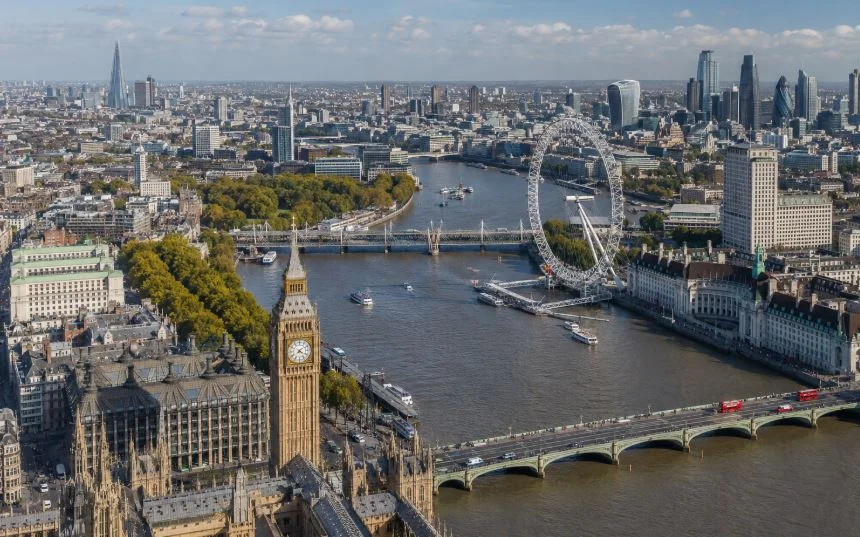
The short answer: the best area to stay in London depends on your trip. Westminster and South Bank are best for first-time visitors who want landmarks on the doorstep. Kensington suits families and museum lovers. Covent Garden and Notting Hill are best for couples. Soho is the heart of the nightlife. Canary Wharf is the business base. For better value with good transport, look at Bloomsbury, Shoreditch and Paddington.
London is not one city but a patchwork of villages that grew together, and the neighbourhood you sleep in shapes your whole trip. Get it right and the sights are a short walk or one tube stop away. Get it wrong and you spend your holiday commuting. This guide is written for visitors flying in, mostly from across the Atlantic and further, and it matches each area to the kind of trip you are taking. Hotel prices are shown in US dollars for a standard double room in 2026, and they move a lot with season and demand.
The good news is that central London is compact. You can cross the core in about 30 minutes on the Underground, and the transport network is one of the best on earth. So the real question is not "which area is closest to everything", because most central areas are close to everything. The question is which atmosphere, budget and style of stay suits you.
London 4 dummies: choosing an area without the rookie mistakes
- "Central" is bigger than you think. Almost every area in this guide is a short tube ride from the main sights. You do not need to pay top dollar to be next to Big Ben.
- A tube station beats a postcode. A slightly cheaper area with a great station is better value than a pricey one with a slow walk to the line. Aim for a hotel within 5 minutes of the Underground.
- Zone 1 is the sweet spot. London is priced in travel zones. Staying in Zone 1 keeps you central and keeps daily fares low. Venture to Zone 2 only for a clear discount.
- Watch your phone, not your back. London is a safe city for visitors. The real risk in tourist areas is pickpockets and moped phone-snatchers, not violence. Keep your phone off the cafe table and out of your hand near traffic.
- Get an Oyster or just tap your card. Contactless bank cards and phones work straight on the tube and buses with a daily price cap. You rarely need a paper ticket or a travelcard.
Best London areas by traveller type
If you want the one-line verdict, here it is. Below, each area gets a full breakdown with a place to stay.
| You are a | Best areas | Why |
|---|---|---|
| First-time visitor | Westminster, South Bank | Landmarks on the doorstep, easy to walk the classics |
| Family | Kensington, South Bank | Museums, parks, riverside space, bigger rooms |
| Couple | Covent Garden, Notting Hill | Romance, dining, pretty streets, atmosphere |
| Night owl | Soho | Bars, theatres and restaurants at your feet |
| Business traveller | Canary Wharf, the City | Offices, modern hotels, fast Elizabeth line |
| Budget-minded | Bloomsbury, Shoreditch, Paddington | Good value, strong transport, still central |
| Repeat visitor | Notting Hill, Shoreditch | Local life beyond the tourist trail |
All 10 areas at a glance
Price shows a rough nightly rate for a decent double in 2026: "$" is budget-friendly, "$$" mid-range, "$$$" upmarket, "$$$$" luxury.
| Area | Best for | Atmosphere | Nearest station | Price |
|---|---|---|---|---|
| Westminster | First-timers | Historic, grand, official | Westminster, St James's Park | $$$ |
| South Bank | Families, sights | Riverside, buzzy, cultural | Waterloo | $$$ |
| Covent Garden | Couples, theatre | Lively, romantic, central | Covent Garden | $$$$ |
| Kensington | Families, museums | Elegant, calm, residential | South Kensington | $$$ |
| Soho | Nightlife | Electric, loud, fun | Tottenham Court Road | $$$$ |
| Bloomsbury | Value, longer stays | Quiet, literary, leafy | Russell Square | $$ |
| Notting Hill | Couples, local feel | Pretty, boho, relaxed | Notting Hill Gate | $$$ |
| Shoreditch | Creatives, nightlife | Trendy, artsy, edgy | Shoreditch High Street | $$ |
| Canary Wharf | Business | Modern, corporate, sleek | Canary Wharf | $$$ |
| Paddington | Transport, value | Practical, well-connected | Paddington | $$ |
1. Westminster: best for first-time visitors
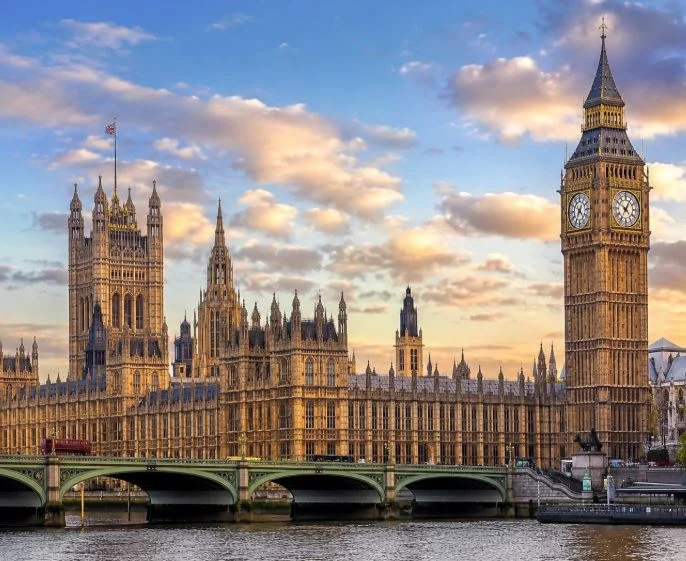
Westminster
If it is your first time in London and you want the postcard on your doorstep, Westminster is the classic choice. You are within a walk of Big Ben, the Houses of Parliament, Westminster Abbey, Buckingham Palace and the green calm of St James's Park. Mornings here are pure London, with the river, the bridges and the sound of the bells.
The trade-off is price and a certain formality. This is government and ceremony London, so it is grand rather than cosy, and hotels sit at the higher end. For a two or three-night sightseeing trip, though, the time you save walking to the sights is worth a lot.
Check 2026 prices at St. Ermin's Hotel2. South Bank: best for families and sightseeing
South Bank
Strung along the south side of the Thames, the South Bank is one of the most enjoyable places to stay with kids or without. The London Eye, Tate Modern, the National Theatre, the Southbank Centre and the walk across to Big Ben are all right here, and the riverside path is a car-free promenade of street food, book stalls and buskers. Both the London Eye and Tate Modern are open and running normally in 2026.
Waterloo station anchors it with links across the city, and the whole stretch feels lively and safe well into the evening. The honest caveat is that the busiest riverside blocks are firmly tourist-facing, so for local flavour you dip a street or two back.
Check 2026 prices at Park Plaza London Riverbank3. Covent Garden: best for couples and theatre
Covent Garden
Covent Garden is central London at its most charming, all cobbled piazza, street performers, the old market halls and the Royal Opera House. The West End theatres are on your doorstep, the restaurants are excellent and the whole area is made for wandering arm in arm after a show. For a romantic city break, it is hard to beat.
Two honest notes. It is one of the priciest areas to sleep in, and it gets very crowded at weekends. Also, the Covent Garden tube station is small and often queued at peak times, so Leicester Square is frequently the faster way in and out.
Check 2026 prices at One Aldwych4. Kensington: best for families and museums
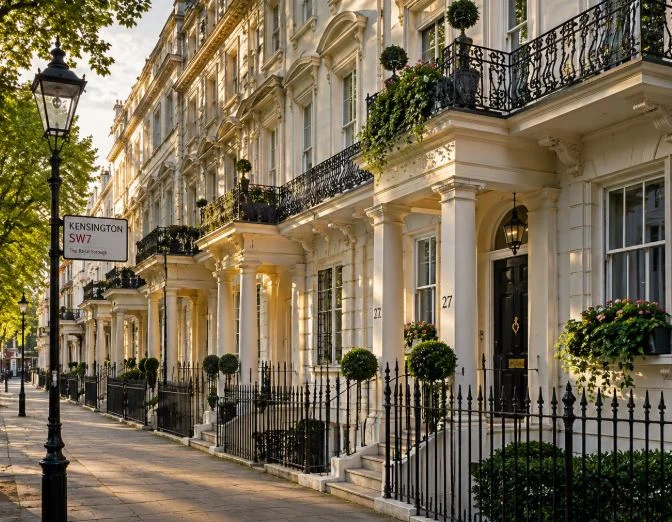
Kensington
Kensington is the graceful, garden-square side of London, and a brilliant family base. The big three museums, the Natural History Museum, the Science Museum and the Victoria and Albert, are clustered together and all free to enter, while Hyde Park and Kensington Gardens give children space to run. Rooms tend to be larger and quieter than in the West End.
The atmosphere is calm and upmarket rather than buzzy, which is exactly the point for families and museum lovers. You are one straight tube ride from the centre, so you trade a little nightlife for a lot of comfort and green space.
Check 2026 prices at The Kensington Hotel5. Soho: best for nightlife and dining
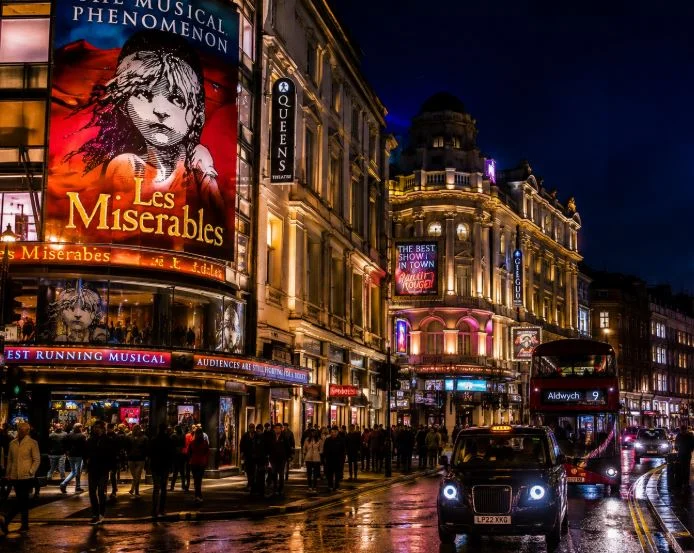
Soho
Soho is the beating heart of the West End, a dense grid of bars, restaurants, theatres and late-night energy wrapped around Chinatown and Piccadilly Circus. If you want to step out of the hotel and straight into the action, with the best concentration of dining and nightlife in the city, this is your area. Oxford Street shopping is on the northern edge, though note that its long-planned pedestrianisation was confirmed in 2026, so expect roadworks around Oxford Circus for a while.
The obvious trade-off is noise. Soho does not sleep, so if you are a light sleeper, choose a hotel on a quieter side street or ask for a room at the back.
Check 2026 prices at The Soho Hotel6. Bloomsbury: best value in the centre
Bloomsbury
Bloomsbury is the clever traveller's pick, central enough to walk to the West End yet calmer and often cheaper than Westminster or Covent Garden. This is literary London, home to the British Museum, handsome garden squares, the University of London and a scatter of good independent cafes. It suits longer stays, remote workers and anyone who wants to escape the tourist crush at night.
You give up a little glamour and buzz, but you gain leafy quiet, real value and one of the great free museums on your street. For many repeat visitors, it becomes the default base.
Check 2026 prices at The Montague on the Gardens7. Notting Hill: best for local London charm
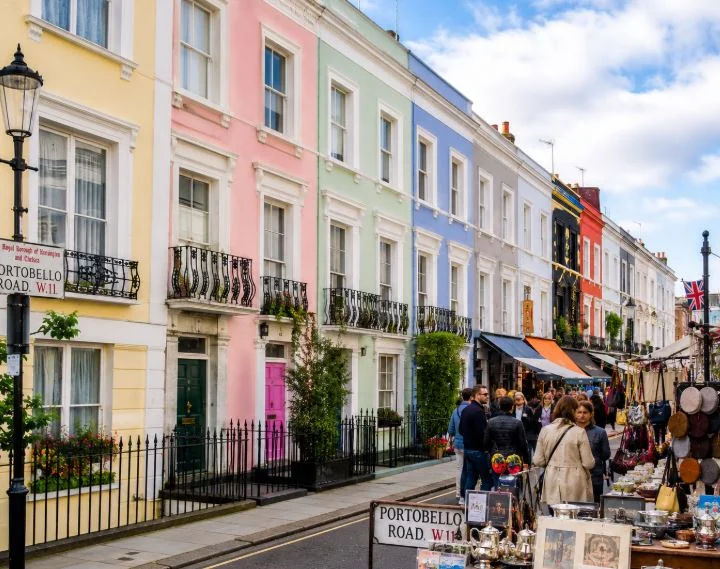
Notting Hill
Notting Hill is the postcard-pretty, pastel-housed west London you have seen in the films, and it feels like a proper neighbourhood rather than a tourist zone. Portobello Road Market, independent shops, garden squares and easy cafes give it a relaxed, romantic charm that repeat visitors love. It is a lovely counterpoint to the busy centre, one short tube ride away.
One practical tip for the famous market. The big antiques day is Saturday, with Friday also busy, while Sunday is largely closed for antiques. Plan your visit for a Friday or Saturday morning to see it at its best.
Check 2026 prices at The Laslett8. Shoreditch: best for creative and trendy stays
Shoreditch
Shoreditch is the creative capital of East London, a former warehouse district turned street-art gallery, with independent restaurants, cocktail bars, vintage shops and a serious coffee scene. It draws a younger, design-minded crowd and offers better hotel value than the West End, with the City and Liverpool Street a short hop away. For nightlife with an edge, it rivals Soho.
The atmosphere is deliberately raw rather than polished, and the fringes can feel gritty, though it is perfectly fine for visitors with normal city awareness. The bar scene is loud at weekends, so it is a base for those who want to be near the party, not away from it.
Check 2026 prices at The Hoxton, Shoreditch9. Canary Wharf: best for business travellers
Canary Wharf
Canary Wharf is London's gleaming second financial district, a cluster of towers, modern hotels, shopping malls and riverside bars. If you are in town for meetings in the docklands or the City, it is purpose-built for you, with professional-grade hotels and a calm, clean feel after hours. The transport is now excellent, with the Jubilee line, the Elizabeth line and the DLR all meeting here, giving fast, direct links to the West End, the City and Heathrow.
The honest note for leisure visitors is that it lacks traditional London charm. It is efficient and modern rather than historic, so it suits business first and sightseeing second.
Check 2026 prices at London Marriott Canary Wharf10. Paddington: best for transport and value
Paddington
Paddington earns its place on pure convenience. It is the London terminus of the Heathrow Express and the Elizabeth line, so you can be from the airport to your room faster than almost anywhere else in the city, then straight into the West End and the City by tube. The revamped canal basin at Little Venice adds a surprisingly pretty, waterside corner, and hotel prices are gentler than the sights-heavy areas.
It is a practical base rather than a glamorous one, and the streets right by the station can feel a touch tired at night, though nothing that should put you off. For value plus unbeatable airport access, it is a smart pick.
Check 2026 prices at Hilton London PaddingtonCheapest central areas to stay in London
London is expensive, but you do not have to pay Westminster prices to stay well. The best value comes from areas that are still central or one quick stop out, with strong transport. Three stand out.
Bloomsbury: central, walkable to the West End and often noticeably cheaper than the postcard areas, with the British Museum thrown in for free.
Shoreditch: genuinely trendy, well-connected to the City and Liverpool Street, with better hotel rates than the West End and a great food and bar scene.
Paddington: excellent transport, especially for Heathrow, at friendlier prices, and a fast tube ride from the sights.
For more ways to keep costs down once you are here, see our guide to eating in London on a budget.
Safest areas to stay in London
London is a broadly safe city for visitors, and violent crime is rare in the tourist areas. The areas most often chosen for a comfortable, low-stress stay include Westminster, Kensington, Bloomsbury, South Bank and Notting Hill, all calm, well-kept and busy in a reassuring way.
The real risk to plan around is not danger, it is opportunistic theft. Pickpockets work the crowds at Oxford Street, Covent Garden and the busy tube, and moped riders occasionally snatch phones held near the road. The fix is simple. Keep your phone off the cafe table and out of your hand near traffic, wear bags across the body, and stay aware in crowds. Do that and London feels as safe as any major world city.
Areas to consider carefully
Rather than name whole districts to avoid, which would be misleading for a city this safe, it is more useful to flag the two mistakes that spoil stays.
The very busy tourist blocks. The streets right on top of the biggest attractions can be crowded, noisy and pricier for what you get. Staying one or two streets back, or one stop out, often buys a calmer night and a better rate.
The too-far-out bargain. A cheap room in a distant outer suburb can cost you more in time and daily fares than you save. Before you book somewhere far out, check the real door-to-door journey to the sights. The sweet spot is a well-connected Zone 1 or inner Zone 2 area, close to a good tube line.
How we chose these London neighbourhoods
We ranked areas on the things that actually shape a visitor's trip: location and walkability to the sights, transport connections, the atmosphere and character of the streets, and how well each suits a particular kind of traveller, from families to couples to business guests. We also weighed real value, because the best area is not always the most expensive one.
Every station, landmark and hotel here was checked against current 2026 information before publishing, including live changes such as the Elizabeth line boosting Paddington and Canary Wharf, and the confirmed pedestrianisation of Oxford Street. Hotel prices are approximate 2026 guides in US dollars and move with season and demand, so always confirm the live rate before booking.
Frequently asked questions
What is the best area to stay in London?
It depends on your trip. Westminster is ideal for first-time visitors who want landmarks nearby, Covent Garden suits couples and theatre lovers, South Bank works well for families, Kensington offers museums and space, and Canary Wharf is convenient for business travellers.
Where should first-time visitors stay in London?
First-time visitors usually do best in Westminster or South Bank. Both put you within walking distance of the famous sights, including Big Ben, the London Eye and the river, so you spend less of your trip commuting.
Which London neighbourhood is safest?
London is broadly safe for visitors. Areas most often chosen for a calm, comfortable stay include Westminster, Kensington, Bloomsbury, South Bank and Notting Hill. The main risk anywhere central is pickpockets, not violence, so mind your phone and bag in crowds.
What is the most central area of London?
Soho, Covent Garden and Westminster are among the most central places to stay, sitting in the heart of the West End. From any of them you can walk to theatres, restaurants and many of the main attractions.
Is Westminster a good place to stay in London?
Yes. Westminster is one of the best choices for sightseeing, since Big Ben, Westminster Abbey, Buckingham Palace and St James's Park are all close by. The trade-off is that it is grand and one of the pricier central areas.
Is Soho a good area for tourists?
Yes, especially for travellers who want restaurants, nightlife and theatre on their doorstep. The one caveat is noise. Soho is lively late into the night, so light sleepers should pick a hotel on a quieter side street.
Where should families stay in London?
Families often prefer Kensington or South Bank. Kensington has the free major museums and Hyde Park with larger, quieter rooms, while South Bank puts the London Eye and riverside attractions on the doorstep.
Where should couples stay in London?
Couples tend to love Covent Garden and Notting Hill. Covent Garden brings theatres, romantic dining and the piazza, while Notting Hill offers pretty pastel streets, Portobello Road and a relaxed, local charm.
What areas are cheapest to stay in London?
Bloomsbury, Shoreditch and Paddington offer the best value while staying central and well-connected. Each is close to a strong transport link, so you save on the room without losing easy access to the sights.
What areas should tourists avoid in London?
There are no whole districts a visitor really needs to avoid in central London. The better advice is to skip the noisiest blocks right on top of the attractions, and to avoid booking too far out, where daily travel time can cancel the saving.

Clara, Welcome2London's AI travel curator, presents our area and hotel guides for visitors, matching neighbourhoods to the kind of trip you are taking. She is honest about where you are paying for the postcard rather than the convenience, so travellers land in the area that suits them.
Sources and verification (August 2026): areas, nearest stations, market days and attraction status were checked against current 2026 information, including the Elizabeth line serving Paddington and Canary Wharf and the confirmed Oxford Street pedestrianisation. Hotels were verified as open and bookable, with prices shown in US dollars as approximate 2026 guides that vary by date and demand.
Disclosure: this guide contains affiliate links to hotel booking partners. If you book through them we may earn a small commission at no extra cost to you. Our area and hotel picks are chosen on merit, and the honest notes are ours.
Where to stay in London
Part of our London hotels guide. Compare the options:
Best Hotels in London: where to stay, by area- Hotels near the London Eye
- Hotels near Hyde Park
- Luxury hotels near Big Ben
- Boutique hotels in London
- Romantic hotels for couples
- Business hotels
- London hotel deals
- Budget places to stay
Arriving at the airport? Book a private Heathrow airport transfer straight to your hotel.
Clara Whitby is Welcome2London’s AI travel curator, known to readers as The Londonologist. She was created by our editorial team to help first time visitors plan London and the rest of the UK with confidence: where to stay, how to get around, what is worth your money and what you can happily skip. Every guide she presents is researched from official sources and checked by the Welcome2London team before it goes live.
London, next two weeks
-
 Concerts Mon 12 Oct, 18:00Buy tickets for JUSTIN HAYWARD: THE STORY IN YOUR EYES TOUR
JUSTIN HAYWARD: THE STORY IN YOUR EYES TOUR
Cadogan Hall SW1X, London
See prices Buy tickets -
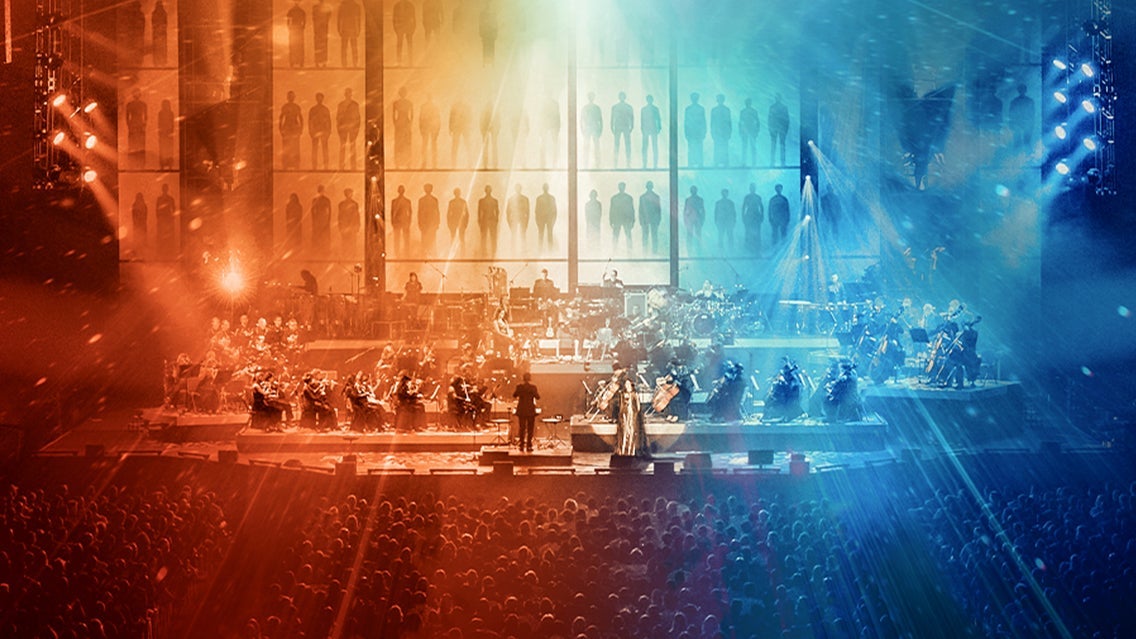
Concerts Mon 12 Oct, 18:30Buy tickets for The World of Hans Zimmer, a New Dimension
The World of Hans Zimmer, a New Dimension
The O2 SE10, London
See prices Buy tickets -
Theatre Mon 12 Oct, 19:30Buy tickets for Mamma Mia!
Mamma Mia!
Novello Theatre WC2B, London
See prices Buy tickets


Ticket links are affiliate links. They cost you nothing extra and they keep this site free.