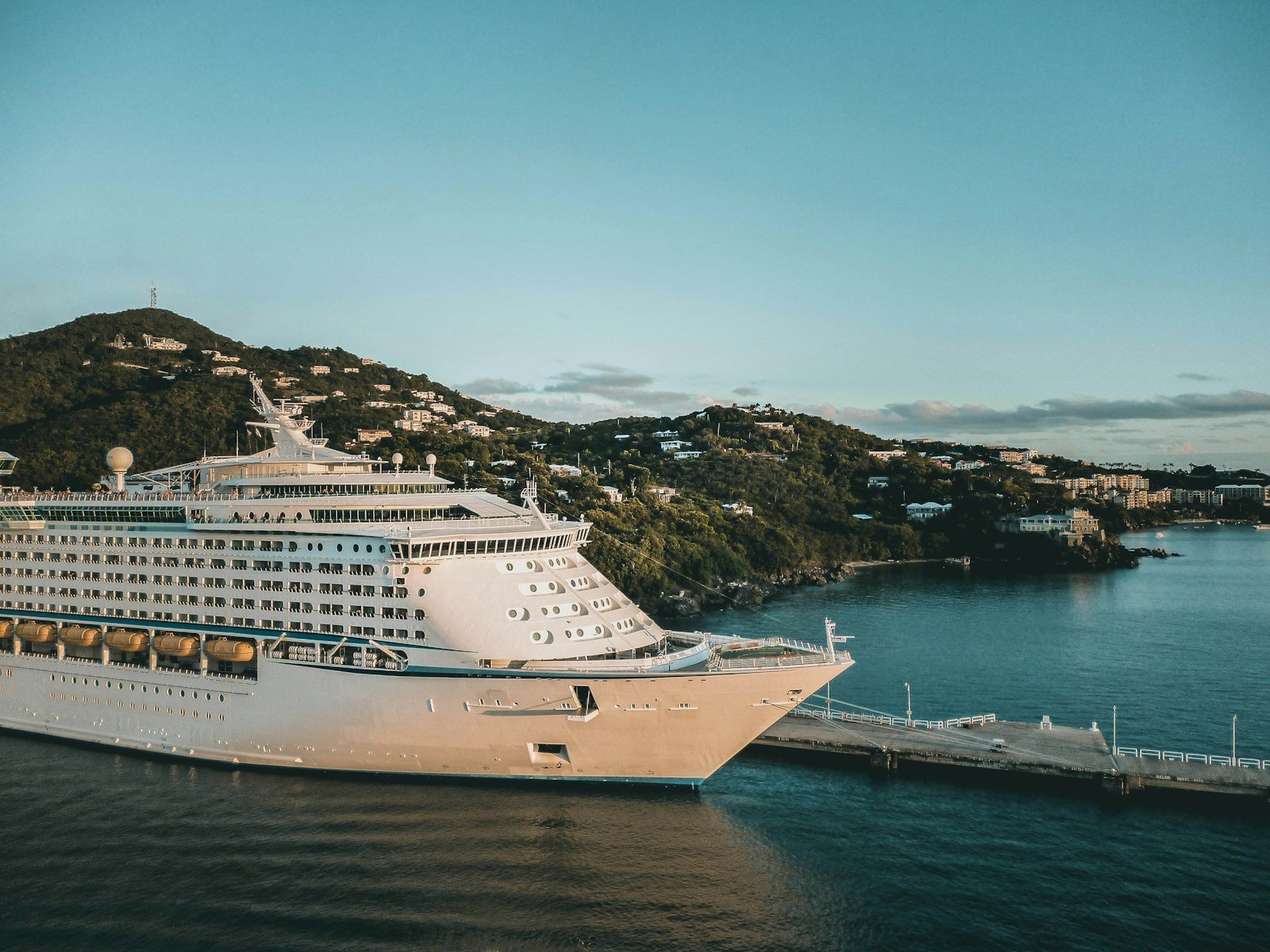
No cruise ship leaves from London. The city has no deep water terminal, so every sailing people call a London cruise departs from a port somewhere else, usually Southampton, sometimes Dover, occasionally Tilbury. That gap between the city you flew into and the quay your ship is tied to is where cruise holidays go wrong, because a ship sails at its published time and does not wait for anybody.
The quick answer
- Southampton handles most of it. It is about 80 miles southwest of London, roughly two hours by road and about 1 hour 20 by train from Waterloo.
- Dover is the second port, about two hours by road or 1 hour 5 by high speed train from St Pancras, and the terminal is a short taxi ride from the station rather than next to it.
- No cruise terminal in Britain has a railway station on the quay. Every train journey ends with a taxi or a shuttle, and that last mile is where the time goes.
- On embarkation day, leave from London at least four hours before your boarding window closes, or come down the night before and sleep near the port.
Which port does your ship actually use
Check your booking before you plan anything, because cruise lines sell itineraries under the name of the city people recognise rather than the port they sail from. A London cruise is almost never a cruise from London.
| Port | Who uses it | From central London |
|---|---|---|
| Southampton | most of the big lines, the main British cruise port | about 80 miles, 2 hours by road |
| Dover | smaller ships and northern Europe itineraries | about 80 miles, 2 hours by road |
| Tilbury | the closest terminal to London, in Essex | about 25 miles, 1 hour by road |
| Portsmouth | smaller ships and Channel Islands sailings | about 75 miles, 2 hours by road |
| Poole | the port people mean when they say Bournemouth | about 110 miles, 2 hours 30 by road |
Poole deserves the footnote. Bournemouth has no cruise terminal of its own, so a sailing advertised from Bournemouth almost always means Poole harbour a few miles along the coast, and occasionally means a ship anchored offshore with a tender boat to the beach. Read the small print on that one.
Southampton, the one most people need
Southampton has four cruise terminals spread around the docks, City, Ocean, Mayflower and Queen Elizabeth II, and they are far enough apart that turning up at the wrong one costs you half an hour and a taxi fare. Your boarding pass names the terminal. Write it down before you leave.
By train, Southampton Central is about 1 hour 20 from London Waterloo with services every half hour, and from the station it is a short taxi ride to any of the four terminals. The trains are comfortable and the fare is reasonable booked in advance, at £15 to £35 depending on how early you buy, but the last stretch with cases is the part nobody enjoys, since the taxi rank fills up on the mornings when three ships sail at once.
By road it is about two hours from central London and about 1 hour 20 from Heathrow, which matters because a great many cruise passengers fly into Heathrow and need to reach the ship the same day or the next. A car goes terminal to terminal, so your luggage is handled once, at the start and at the quay, with nothing in between.
Tickets and tours worth booking
London or Heathrow to Southampton, door to quay
A fixed price for the whole car to the exact terminal your ship uses, with flight tracking if you are coming off a long haul and space for the luggage a fortnight at sea requires.
London to Dover, straight to the Western Docks
The high speed train gets you to Dover Priory, then you still need the last mile with cases. This goes the whole way, on one price agreed before you leave.
Train times to the port towns
Live times and advance fares to Southampton, Portsmouth, Dover and Poole in one search, so you can see what leaving an hour earlier actually costs you.
Some links on this page are affiliate links: if you book, we may earn a small commission at no extra cost to you. It never decides what we recommend.
Dover, Tilbury, Portsmouth and Poole
Dover is the port for a lot of northern Europe sailings and for smaller ships. The high speed train from St Pancras reaches Dover Priory in about 1 hour 5, which is genuinely quick, and then you need a taxi for the last mile and a half to the Western Docks, because the cruise terminal sits below the castle with no station anywhere near it. By road from London it is about two hours on the M20.
Tilbury is the closest terminal to the capital, about 25 miles east in Essex, and the London Cruise Terminal there has a small and cheerful art deco building that is far nicer than the industrial estate around it suggests. The train from Fenchurch Street to Tilbury Town takes about 40 minutes, then a short taxi. By road it is about an hour, traffic permitting, which on the A13 is a real condition rather than a formality.
Portsmouth International Port sits right beside Portsmouth Harbour station, which makes it the easiest of the five to reach by train, about 1 hour 40 from Waterloo. Poole is the longest haul, about 2 hours 10 by train from Waterloo or two and a half hours by road, and it is worth confirming whether your ship docks in the harbour or anchors offshore.
Why embarkation day is not a normal journey
Three things make this trip different from any other in this guide, and all three catch experienced travellers out.
The first is luggage. Cruise passengers travel with more of it than anyone else, often two large cases each for a fortnight at sea, and a busy intercity train with two cases per person is a genuinely unpleasant hour. There is no left luggage at the quay and no porter at the station.
The second is the boarding window. You are not given a departure time, you are given a slot, often as narrow as an hour, staggered so that three thousand people do not arrive at once. Miss it and you join the back of everybody else’s slot, which on a full ship means a long wait in a large shed.
The third is the absence of a second chance. A missed train costs you a ticket. A missed ship costs you the holiday, because catching it up at the next port is your problem and your expense, and travel insurance is fussy about how it happened. That asymmetry is the whole argument for leaving early and for paying for a journey that goes door to door.
London 4 Dummies
The bits nobody tells you
- Embarkation The process of boarding the ship, with a time slot printed on your cruise documents rather than a simple departure time. Arrive inside your slot and the whole thing takes about forty minutes.
- Terminal The specific quayside building your ship uses. Southampton has four of them, several miles apart, so the name on your boarding pass matters more than the name of the city.
- Tender A small boat that carries passengers between the ship and the shore when there is no berth alongside. Relevant at Poole and at some smaller ports of call.
- Meet and greet A driver who waits inside the terminal or the airport arrivals hall with your name, rather than at a rank outside. Worth it on a day with cases and a deadline.
- Turnaround day The day a ship empties and refills in the same port. Roads, taxi ranks and hotels around the terminal are all at their busiest, which is precisely the day you are travelling.
How to time it, and what we would do
If you are already in London, leave at least four hours before your boarding window closes for Southampton or Dover, and three for Tilbury. That sounds excessive until you meet a Sunday morning with engineering work on the line, which is exactly when many ships sail.
If you are flying in, do not do it on the same day. Land the day before, sleep in London or near the port, and start embarkation morning rested and close by. Airlines lose bags and delay flights routinely, and a ship is the one form of transport that genuinely will not wait. If you must fly in on the day, fly into Heathrow rather than Stansted or Luton, because Heathrow is an hour and twenty from Southampton by road while the others are the far side of the city.
For a couple travelling light from central London, the train is fine and pleasant. For a family, for anyone with four cases between them, or for anybody arriving at Heathrow with a ship to catch, a car booked in advance with a fixed price is the option we would take ourselves, and the one that removes every variable except the traffic.
What to do with the day before
Coming down early creates a spare evening, and both main ports are better company than they look. Southampton has the old city walls, a decent food scene around Oxford Street and the SeaCity Museum, whose Titanic gallery is worth an hour and is genuinely local history, since most of the crew came from the town. Hotels near the terminals fill up and raise prices on the nights before a big sailing, so book that room when you book the cruise rather than the week before.
Dover gives you the castle, which is one of the best in England and sits directly above the port, with the wartime tunnels underneath it. Portsmouth has the historic dockyard and the Mary Rose. Tilbury, in fairness, gives you Tilbury Fort and not a great deal else, which is another argument for staying in London and travelling out on the morning.
Whichever you choose, treat the night before as part of the cruise rather than as an inconvenience. It is the cheapest insurance you will ever buy against the one journey where being late has no remedy.
Visiting from abroad? What to know
🇺🇸🇨🇦 From the US and Canada
Most American cruise passengers fly into Heathrow and sail from Southampton, which is about an hour and twenty by road and not close to the airport in any useful sense. Arrive at least a day early, since a delayed transatlantic flight and a fixed sailing time do not forgive each other, and confirm which of Southampton’s four terminals your ship uses before you book anything to get there.
🌎 From Latin America
Plan the arrival for the day before the ship sails, with a night in London or near the port. Long haul connections into Heathrow leave little margin, and the ship departs on schedule whatever your airline did. Book the train or the car in advance, since prices on the day are far higher and cruise mornings are exactly when everything is full.
🇦🇺🇳🇿 From Australia and New Zealand
After twenty something hours in the air, doing the journey to the port on the same day is a bad idea even by Australian standards of distance tolerance. Sleep in London first. The trip to Southampton is shorter than most of you will expect, about the same as Sydney to Newcastle, so the problem is jet lag rather than mileage.
🇪🇺 From Europe
If you are arriving by Eurostar, you land at St Pancras, which is the right station for Dover and the wrong side of town for Southampton. Allow a cross town transfer to Waterloo of about thirty minutes on top of everything else, or take a car straight from the platform and skip the Underground with your cases.
Before you fly: the essentials
Keep planning your trip
 GoHeathrow to Central London: Every Option, Priced (2026)
 GoLondon Airport Transfers 2026: 9 Airports, Prices, Options
 Go17 Best Day Trips from London (2026 Guide)
 StayBest Hotels in London (2026): Where to Stay, by Area
Frequently Asked Questions
Do any cruise ships leave from London itself?
No. London has no deep water cruise terminal, so every sailing sold as a London cruise leaves from another port. Tilbury in Essex is the closest at about 25 miles, and Southampton handles the majority of departures at about 80 miles southwest.
How do I get from Heathrow to Southampton cruise port?
By road it is about 1 hour 20 door to door, which is the usual choice because it goes straight to your terminal with the luggage in the boot. By public transport you would take the rail link and a train via Reading or go into London first, which turns a ninety minute trip into three hours with two changes.
How early should I arrive at the cruise terminal?
Inside the boarding window printed on your documents, which is usually an hour wide. Leave London at least four hours before that window closes for Southampton or Dover. Arriving before your slot opens does not get you on board any sooner, it just means waiting in the terminal.
Is the train to Southampton good enough with cruise luggage?
It is fine for one case each and awkward for two. The trains have racks at the ends of the carriages, the walk at Southampton Central is short, and then you need a taxi to the terminal. On a busy turnaround morning that taxi rank is the bottleneck, so allow for it.
Should I fly in on the day the ship sails?
No, and this is the one piece of advice every cruise line gives too. Fly in the day before and sleep in London or near the port. A ship leaves on time, a delayed flight is nobody’s fault, and catching up with your cruise at the next port is entirely at your own expense.
Which Southampton terminal will my ship use?
It is printed on your boarding documents, and it will be one of City, Ocean, Mayflower or Queen Elizabeth II. They are several miles apart around the docks, so check it before you travel rather than after you arrive, and give the exact name to your driver.
About the Author

Clara Whitby is Welcome2London’s AI travel curator, known to readers as The Londonologist. She was created by our editorial team to help first time visitors plan London and the rest of the UK with confidence: where to stay, how to get around, what is worth your money and what you can happily skip. Every guide she presents is researched from official sources and checked by the Welcome2London team before it goes live.
London, next two weeks
-
 Theatre Fri 9 Oct, 13:00Buy tickets for Stranger Things: The First Shadow
Stranger Things: The First Shadow
Phoenix Theatre WC2H, London
See prices Buy tickets -
Theatre Fri 9 Oct, 14:00Buy tickets for Shakespeare's Globe, Much Ado About Nothing
Shakespeare's Globe, Much Ado About Nothing
Globe Theatre, Shakespeare's Globe SE1, London
See prices Buy tickets -
Concerts Fri 9 Oct, 18:00Buy tickets for Ultimate Ozzy UK
Ultimate Ozzy UK
O2 Academy2 Islington N1, London
See prices Buy tickets



Ticket links are affiliate links. They cost you nothing extra and they keep this site free.