If you want one London neighbourhood where you can land, drop your bags and then not think about transport again for four days, Covent Garden is it. You are inside walking distance of most of the West End, the Royal Ballet and Opera is around the corner on Bow Street, and the Piccadilly line runs straight here from every Heathrow terminal without a single change. This guide is for first time visitors from the United States, Canada and further afield who want to understand what they are actually buying: which pockets of the quarter are quiet and which are not, which hotels are worth the money at each level, how to get here with luggage without ending up on a spiral staircase, and when the price makes sense. It is also honest about who should stay elsewhere.
The quick answer
- Who it suits: first time visitors, theatre and opera lovers, couples, and anyone who would rather walk everywhere than learn the Tube map.
- Getting here: Covent Garden is on the Piccadilly line, which runs direct from every Heathrow terminal with no changes, and direct from King’s Cross St Pancras for Eurostar arrivals.
- Where to book: Seven Dials and Bow Street for quiet, the Strand for value, the piazza itself only if noise does not bother you. Look for a WC2E or WC2H postcode.
- The trade off: you pay a premium for a small room, and the streets stay loud until well past midnight. Earplugs and a back facing room solve most of it.
- This winter: Covent Garden runs seven weeks of festivities from 12 November, with free snowfall on the piazza hourly from midday to 9pm between 4 and 31 December, and Skate at Somerset House runs 11 November 2026 to 10 January 2027.
Is Covent Garden a good place to stay in London?
Yes, for most first time visitors, and the reason is boring and practical: you stop needing transport. From a hotel between Long Acre and the Strand you can walk to a West End curtain call, to Trafalgar Square, to the National Gallery, to the river and over a footbridge to the South Bank, all without touching a train. For a four or five day trip, that saves you an hour a day and a surprising amount of decision making.
It suits theatre lovers above all. The Royal Ballet and Opera is on Bow Street, the Lyceum is on Wellington Street, and the rest of the West End fans out west and north from there, so an 8pm show no longer means budgeting for the journey home. It suits couples, people travelling with teenagers, and anyone who would rather spend their evenings wandering than working out which line goes where. If you want the full picture across the whole city, our guide to the best neighbourhoods to stay in London sets Covent Garden against the alternatives.
It suits three groups less well. Light sleepers, because the streets do not empty until well after midnight and the deliveries start before seven. Families with small children and a pushchair, because the pavements are narrow and permanently full. And anyone whose honest priority is floor space for the money, because in WC2 you are paying for the postcode, and a London hotel room is small to start with.
Clara’s tip: when you are comparing hotels, look at the street name, not the hotel name. Half the places marketed as “Covent Garden” are really in Holborn or Charing Cross, which is fine, but it changes your walk home at 11pm. Anything in WC2E or WC2H is genuinely in the quarter.
Where exactly is Covent Garden, and which part should you book?
Londoners use the name loosely. The market building and the piazza are the centre of it, but the area people mean runs roughly from Charing Cross Road in the west to Drury Lane in the east, and from Long Acre down to the Strand. Within that, four pockets feel genuinely different, and picking the right one matters more than picking the right hotel.
| What it feels like | Best for | |
| The piazza and the market building | Street performers, buskers under the colonnade, packed from late morning until late evening | People who want to be in the middle of it and do not mind noise |
| Seven Dials (Monmouth Street, Mercer Street, Neal Street) | Narrow streets radiating from a sundial pillar, independent shops, quieter after 9pm | Couples, repeat visitors, anyone who wants charm without the crush |
| Bow Street and Drury Lane | Theatre back doors, the Royal Ballet and Opera, calm by day and busy for an hour either side of showtime | Opera and ballet nights, and sleeping in on a Sunday |
| The Strand and Aldwych | Wide, grand, traffic and buses, river and Somerset House a minute away | Larger classic hotels, better value per square foot, easy buses |
If you only remember one thing: Seven Dials is the quiet half and the piazza is the loud half, and they are three minutes apart. The Strand is the value option, and it puts you closest to the river and to Waterloo Bridge, which is still the best free view in central London.
Book the things you will walk to
London Transport Museum entry ticket
The best bad weather hour in Covent Garden, in the old flower market on the east side of the piazza. Real Tube carriages, trams and buses you can climb aboard, and under eighteens go free. Open daily 10:00 to 18:00 with last entry at 17:15.
Disney’s The Lion King at the Lyceum Theatre
The closest big West End show to a Covent Garden hotel: the Lyceum is at 21 Wellington Street, WC2E 7RQ, which is a four minute walk from the market building. Runs about two and a half hours including the interval, and it is the one show that works for every age in the party.
Small group Soho and Seven Dials food walking tour
A small group tasting walk that meets at The Crown, 43 Monmouth Street, WC2H 9EW, which is Seven Dials, so it starts on your doorstep. Three and a half hours with a local guide and drinks included, and a good first evening if you have just landed and do not want to decide where to eat.
Some links on this page are affiliate links: if you book, we may earn a small commission at no extra cost to you. It never decides what we recommend.
The best hotels in Covent Garden, by budget
Covent Garden does not really have a cheap tier. What it has is a genuine luxury tier, a solid mid range, and a handful of compact budget rooms that trade space for location. Here is how I would choose between them.
At the top, the Covent Garden Hotel on Monmouth Street is the Seven Dials choice: a Firmdale townhouse with a drawing room you will actually use, five minutes from the piazza and well back from the noise. The other standout is NoMad London, set in the former magistrates’ court across from the Royal Ballet and Opera, which is the most architecturally interesting place to sleep in WC2 and knows it.
In the middle, Radisson Blu Edwardian Mercer Street sits on a Seven Dials corner and is the one I recommend most often, because it buys you the good half of the area at a non silly price. The Strand Palace is the other sensible pick: bigger, more corporate, further from the market, but a short walk from Somerset House and the river, and it tends to be the best value central room you will find with a lift and a proper breakfast.
At the bottom, The Z Hotel Covent Garden is the honest budget answer. The rooms are genuinely small, some have internal windows, and that is the deal you are making in exchange for being a few minutes west of the piazza for a fraction of the price. If you are out from nine in the morning until eleven at night, which in this part of London you will be, it works.
Clara’s tip: ask for a room facing a courtyard or a side street, and if the hotel has a floor plan, avoid anything directly above the entrance or the bar. In Covent Garden the difference between a front and a back room is not the view, it is whether you hear last orders.
If none of this is quite right, Soho is the obvious neighbour to compare: louder, later, better for restaurants, and covered in our guide to whether Soho is a good place to stay.
How to get to your Covent Garden hotel from Heathrow, Gatwick and St Pancras
This is the quiet superpower of staying here. Covent Garden station is on the Piccadilly line, and the Piccadilly line runs all the way out to every Heathrow terminal, so an arriving flight means one train and no changes at all. It is slow, around an hour, and it is not a pleasant ride with large cases, but it is simple, and simple matters when you have been awake for eighteen hours.
| Arriving at | Simplest route to Covent Garden |
| Heathrow, any terminal | Piccadilly line direct, no changes, stay on until Covent Garden |
| Gatwick | Gatwick Express to Victoria, officially 31 minutes, then the Tube or a short taxi |
| St Pancras (Eurostar) | Piccadilly line from King’s Cross St Pancras, direct, a handful of stops |
| Stansted or Luton | Train to Liverpool Street or St Pancras, then one Tube line across |
Two caveats. First, Covent Garden is a lift and stairs station, not an escalator station, and it is a bottleneck at the busiest times, so arriving with luggage in the early evening is not fun. Second, the Piccadilly line is a deep tube with narrow carriages, and there is nowhere to put a large suitcase. If you are landing with children, with more than one big case, or after a long haul flight, a door to door transfer is the sane choice, and it drops you at the hotel entrance rather than at the top of a staircase on Long Acre. Our full breakdown of the options from the airport is in getting from Heathrow to central London.
Once you are here, Transport for London counts peak hours as Monday to Friday, excluding public holidays, from 06:30 to 09:30 and from 16:00 to 19:00. Travel outside those and pay as you go fares drop. Tap in with the same contactless card or phone every time and the daily cap does the rest, which is a great deal more relaxing than buying paper tickets.
London 4 Dummies
Covent Garden 4 Dummies
- The queue is sacred. At the lift at Covent Garden station, at the coffee place on Neal Street, at the theatre bar in the interval, there will be a line, and nobody will mark it or manage it. It simply exists. Join the back of it, say nothing, and you will be treated as one of us. Walk to the front and an entire street will stare at you in silence, which is the most British punishment there is.
- Tap. Just tap. Your contactless card or phone is your ticket on every bus and train. No ticket machine, no paper, no app. Tap in, tap out, and the system quietly works out the cheapest fare and stops charging you once you hit the daily cap. Use the same card all week. Tapping a different card each day is how tourists accidentally pay three times.
- Chips are not crisps. Chips are hot, thick and come with fish or in a paper cone. Crisps are the thin ones in a bag. Ask for chips in a Covent Garden pub expecting a snack and a plate of proper fries arrives. Nobody will correct you, which is the thing to be most careful about.
- Nobody will take your order. In a pub you go to the bar, you say what you want, you pay there, and you carry it back yourself. There is no waiter and nobody is ignoring you. Sitting patiently at a table in the Lamb and Flag waiting to be served is a quiet, slow tragedy that plays out several times every evening.
- It gets dark at four. In December the sun gives up some time in the afternoon and the lights come on across the piazza by half past three. This is not a bad day, it is just winter at this latitude. The upside is that the Christmas lights and the Somerset House rink look spectacular at five o’clock, when it is technically still the afternoon and you are technically still sightseeing.
- The first floor is not the ground floor. Your hotel’s ground floor is what you would call the first floor. Our first floor is one flight up. So room 102 on the first floor means you have stairs ahead of you, and the lift button you want is G, not 1. Small thing, but it is the single most common lost luggage moment in a London hotel.
The Covent Garden tube station problem, and the easy fix
Covent Garden is one of the shortest hops on the entire Underground network: the next stop west, Leicester Square, is so close that walking between the two is quicker than waiting for a train. Transport for London has been politely telling people this for years, and for good reason.
The station has no escalators. Access to the platforms is by lift, with a spiral staircase as the alternative, and the staircase is long enough that staff discourage it. At busy times the lift queues build up at street level on Long Acre and, going the other way, on the platform. The station page lists lifts among its facilities, but it does not advertise the station as step free, so treat it as awkward rather than accessible if you are travelling with a wheelchair or a heavy case.
The fix is simple. Walk. Leicester Square, Charing Cross, Holborn, Tottenham Court Road and Embankment are all within about ten to fifteen minutes of the piazza, they all have escalators, and between them they cover the Northern, Bakerloo, Central, Elizabeth, Circle and District lines. Treating Covent Garden station as your last resort rather than your default makes the whole area work better.
Clara’s tip: the station’s own page lists its quieter times as 06:00 to 08:00 and 16:00 to 18:00, which is counterintuitive and worth knowing. If you must use Covent Garden with luggage, aim for early morning.
Noise, crowds and safety: what staying here is actually like
I want to be straight with you, because the brochure photographs are taken at seven in the morning and the reality is not that.
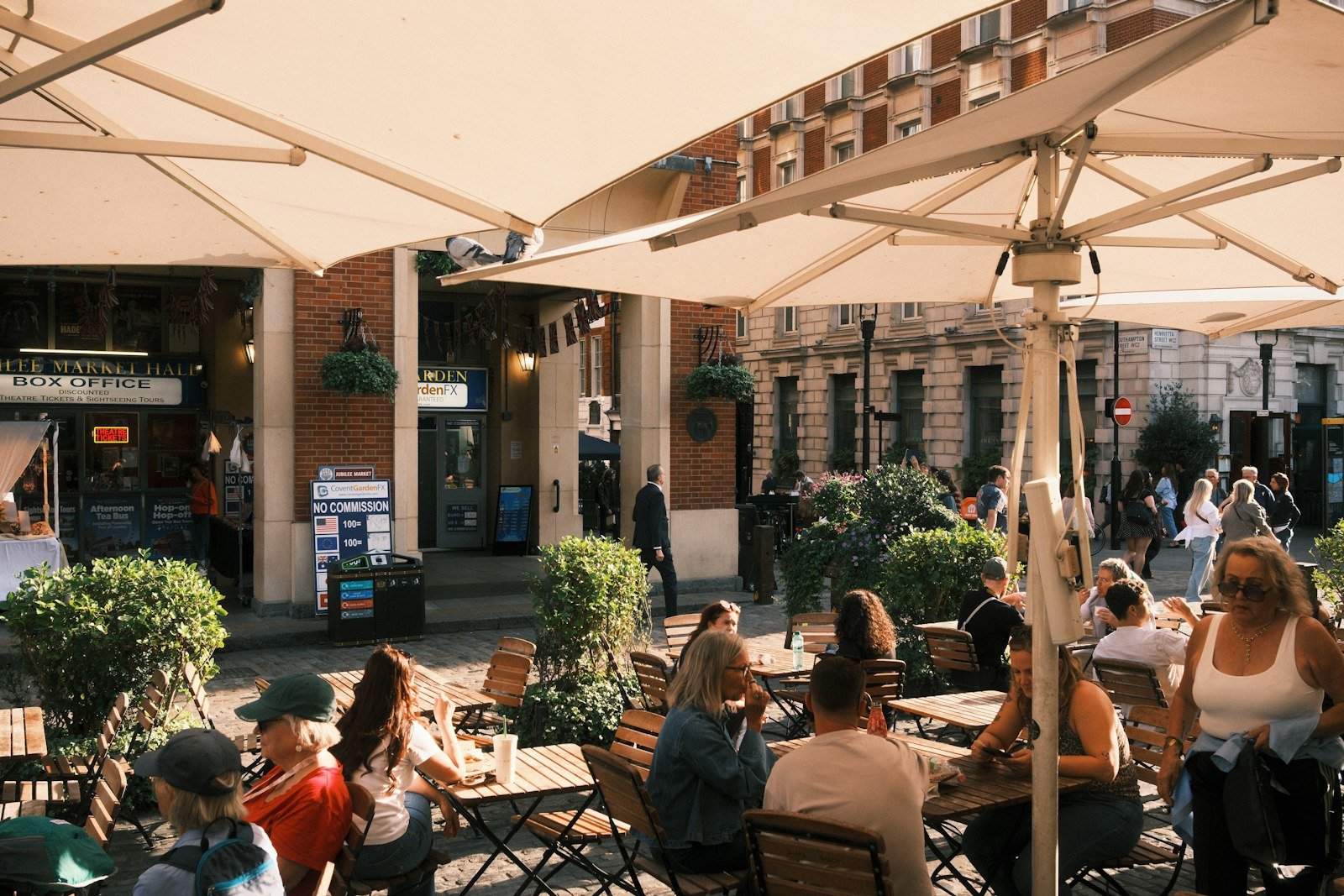
The piazza is busy from about ten in the morning until eleven at night, every day, all year. Street performers work on licensed pitches, which means amplified music and applause, pleasant for twenty minutes and less so from a third floor window. Restaurant terraces run late. Refuse collection and market deliveries start early. If you are a light sleeper, this is the single biggest argument for Seven Dials, Bow Street or the Strand over a room on the square itself, and for packing earplugs regardless.
On safety, central London at night is busy rather than threatening, and Covent Garden is one of the better lit and better staffed corners of it. The ordinary rules apply: phones away from the kerb, bags zipped and in front of you on a packed pavement, and a licensed black cab or a pre booked car rather than someone offering a lift outside a bar. Pickpockets work crowds, not dark alleys, so the market building and the Leicester Square approach are where to pay attention.
One practical note for theatre and opera nights: the Royal Ballet and Opera is cashless and runs bag checks on entry, so leave the big rucksack at the hotel and bring a card. Children under five are not admitted to the auditoria there, and children aged five to fourteen need their own ticket, which catches families out more often than you would think.
What is on your doorstep, including this winter
Staying here means the small stuff is free. You can walk out before breakfast and have the piazza almost to yourself, which is when the colonnade and the glass roof of the market building look their best.
The London Transport Museum, in the old flower market on the east side of the square, is the area’s one genuinely great rainy day attraction and far better than it sounds: real Tube carriages, trams and buses you can climb into, and a shop that is the best souvenir stop in central London. Galleries are open every day from 10:00 to 18:00 with last entry at 17:15, the museum says it opens 362 days a year, and under eighteens go free. The cafe on the Lower Deck runs 10:00 to 16:30, and the shop stays open to 18:30 on Sunday to Tuesday and 19:00 Wednesday to Saturday.
The Royal Ballet and Opera on Bow Street, WC2E 9DD, opens daily from noon and closes after the evening performance, with the box office open from noon Monday to Saturday and from 90 minutes before curtain on performance Sundays. Even without a ticket, the building is worth walking into for the foyer and the terrace. For the rest of the theatre scene, our guide to West End shows explains how the pricing really works.
This winter the area is unusually good. Covent Garden is running seven weeks of festivities from 12 November, including free snowfall on the piazza beside the Christmas tree, on the hour every hour from midday until 9pm, from 4 December to 31 December. Inside the Market Building there is a Forest of Theatre, a set of trees styled after West End shows. And four minutes down the road, Skate at Somerset House is open from 11 November 2026 to 10 January 2027, with later DJ sessions through the season. If you want the whole festive map, see the London Christmas lights.
Afternoon tea is the other thing the area does well, and there is no shortage of it within a five minute walk, from the grand hotel version on the Strand to a quiet pot and a scone in a Seven Dials back room.
What it costs, and when to book
Hotel rates in WC2 move constantly, so any number I printed today would be wrong by the time you read it. What I can give you is the shape of the year and the fixed costs that do not move.
The expensive weeks are the ones you would guess: late November to Christmas, the week between Christmas and New Year, Wimbledon fortnight in early July, and any week with a major conference. The cheap weeks are mid January to early March, when London is grey and half empty, and the second half of August. If you are flexible, a Sunday to Thursday stay in late January will cost dramatically less than the same room in December, and the theatres are just as full. Almost everything stays open through the quiet weeks, and the museums are a different experience without the queue.
Book a Covent Garden room eight to twelve weeks out for a normal week, and four to five months out for December or for a specific show you have your heart set on. The better small hotels here have fifty or sixty rooms, not five hundred, so they genuinely do sell out.
| Fixed cost | Price, checked 19 November 2026 |
| UK Electronic Travel Authorisation, per person | £20 |
| London Transport Museum, under eighteens | Free |
| London Transport Museum Off Peak Annual Pass, adult | £19.69 |
| London Transport Museum Annual Pass Plus, adult | £75 |
Clara’s tip: book the hotel before the show, not the other way round. Theatre tickets are released for months ahead and there is almost always something excellent available; the right room on the right street is the scarcer thing.
Visiting from abroad? What to know
🇺🇸🇨🇦 From the US and Canada
Most United States passport holders now need a UK Electronic Travel Authorisation rather than a visa, which costs £20 per person and covers trips of up to six months. Apply before you fly, and note that an ETA does not by itself guarantee entry. London is five hours ahead of New York and eight ahead of Los Angeles, so plan a gentle first evening: a walk round the piazza and an early dinner beats a show you will sleep through. Winter here is mild and wet rather than cold, with mid November highs around 46 to 50F and nights around 36 to 45F, so a waterproof layer matters more than a heavy coat. Tipping is lighter than at home: around 10 to 12.5 percent in restaurants, and nothing at all at a pub bar.
🌎 From Latin America
Travellers from Mexico, Brazil, Argentina, Chile and Colombia should check their own requirement on the GOV.UK visa checker well before booking, because the rules differ by nationality and some passports need a full visitor visa rather than an ETA. Covent Garden is a good base if you are arriving on an overnight flight, because you can reach it on one direct Piccadilly line train from Heathrow and then walk to almost everything for the rest of the trip. Bring a card that works abroad without heavy fees, since London is close to cashless and even buskers take contactless. Evenings are colder and darker than most of the region is used to in December and January.
🇦🇺🇳🇿 From Australia and New Zealand
Australian and New Zealand passport holders usually need an ETA rather than a visa, at £20 per person for stays of up to six months, and it is worth sorting the moment you book. Coming from a southern hemisphere summer into a London winter is the real adjustment: expect daylight from about eight in the morning to four in the afternoon in December, and dress for damp rather than snow. Covent Garden works well for long haul arrivals because you can get here without changing trains and then do nothing strenuous for a day. Tipping is modest and there is no tipping culture at a pub bar, which should feel familiar.
🇪🇺 From Europe
Most European visitors need an ETA rather than a visa, and there is no longer a passport free route in, so check your own nationality on GOV.UK before travelling. Arriving by Eurostar is the best reason of all to stay in Covent Garden: from St Pancras International you take one Piccadilly line train and you are at your hotel in minutes, with no taxi and no transfer. Remember that the United Kingdom is one hour behind central European time, that pub kitchens tend to stop serving earlier than you expect, and that restaurant service charges are usually already on the bill, so check before adding more.
Four Covent Garden hotels I would actually book
Covent Garden Hotel, Firmdale Hotels
The Seven Dials address does the work here: five minutes from the piazza but set back from the noise, on the quiet half of the quarter. A proper townhouse hotel with a drawing room you will genuinely sit in, and the best choice if you want Covent Garden without sleeping above a busker.
Radisson Blu Edwardian Mercer Street
The one I recommend most often, because it sits on a Seven Dials corner and buys you the good half of the area at a sensible price. Close enough to the Royal Ballet and Opera and the Lyceum to walk home after a show, far enough from the market building to sleep.
Strand Palace
Bigger and more classic than the boutique options, and usually the best value central room with a lift and a real breakfast. You are a minute from Somerset House and its winter ice rink, two minutes from Waterloo Bridge and the best free view in London, and a short walk up to the piazza.
The Z Hotel Covent Garden
The honest budget answer in a postcode that does not really do budget. Rooms are small and some have internal windows, which is exactly the trade you are making for the location. Fine if your plan is to be out from nine in the morning until eleven at night, which here it will be.
Before you fly: the essentials
Keep planning your trip
 Stay21 Amazing Neighborhoods to Stay in London: Friendly Guide
 StayIs Soho a Good Place to Stay in London? Honest Guide
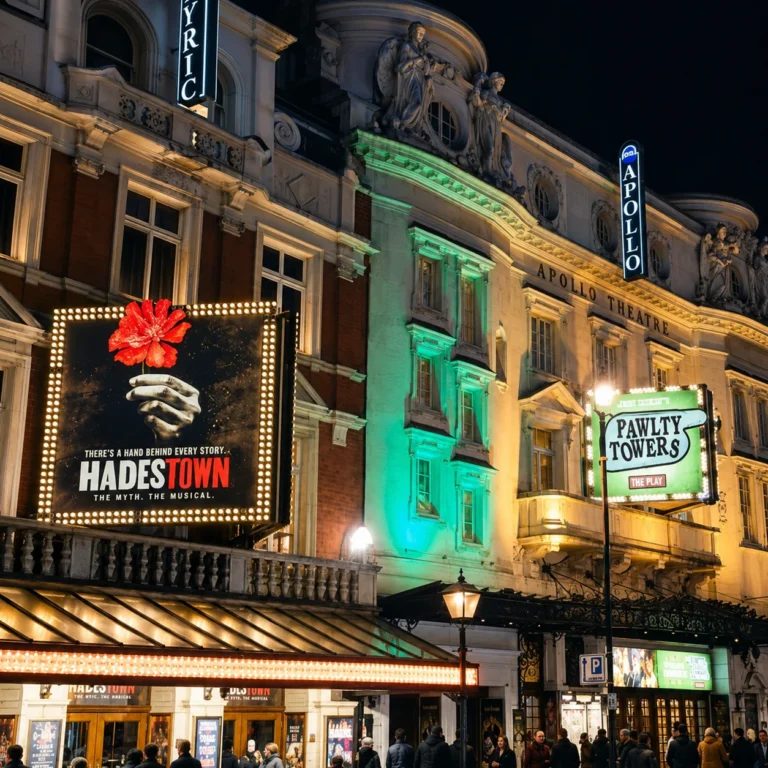 EnjoyBest West End Shows in London 2026: Tickets & Guide
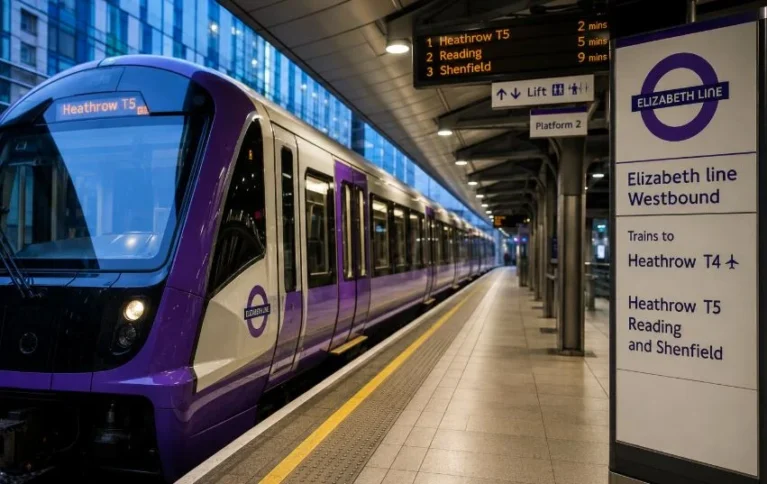 GoHeathrow to Central London: Every Option, Priced (2026)
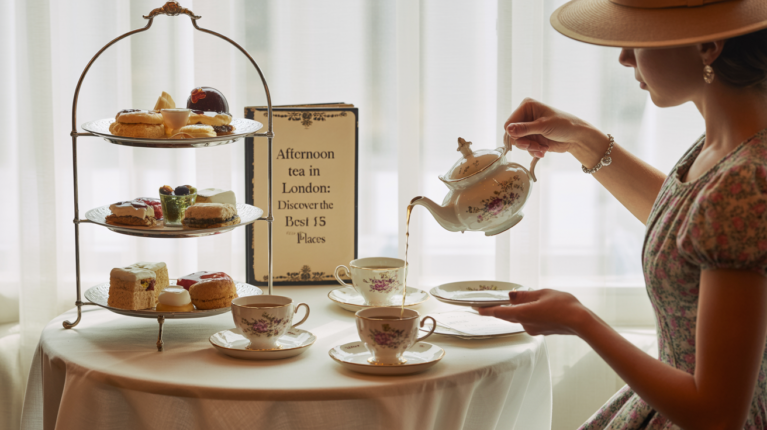 TasteThe Best Afternoon Tea in London for 2026
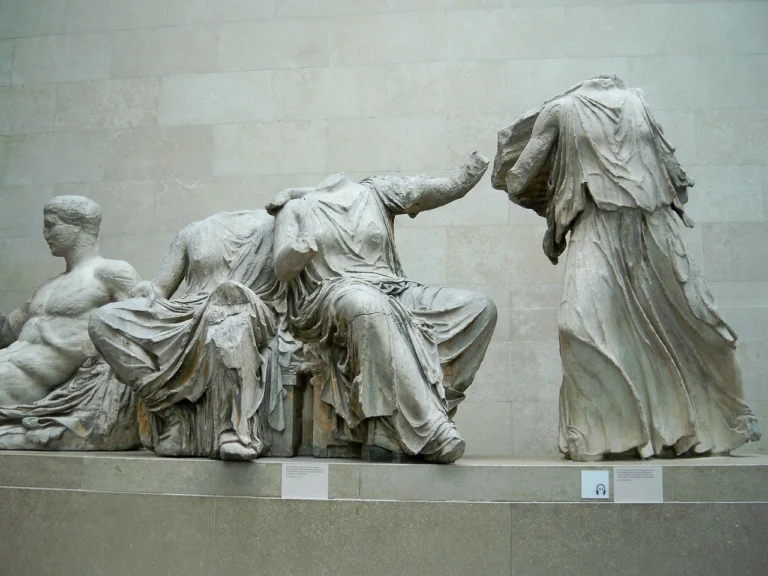 SeeFree Museums in London: 20 of the Very Best, by Area
Frequently Asked Questions
Is Covent Garden expensive to stay in?
Yes, by London standards it is one of the pricier central postcodes, and you are paying for the location rather than the room size. The saving comes afterwards: if you can walk to the theatre, the museums and the river, you spend far less on transport and taxis than you would from a cheaper outer neighbourhood.
Is Covent Garden noisy at night?
In parts, very. The piazza and the market building stay busy until around eleven, restaurant terraces run later, and deliveries start early. Rooms in Seven Dials, on Bow Street or along the Strand are noticeably quieter, and asking for a back facing or courtyard room makes a real difference.
Which tube station should I use for a Covent Garden hotel?
Not Covent Garden, most of the time. It has lifts and a long spiral staircase but no escalators, and it queues up at busy hours. Leicester Square, Charing Cross, Holborn, Embankment and Tottenham Court Road are all within a short walk and all have escalators and more lines.
Can I get from Heathrow to Covent Garden without changing trains?
Yes. Covent Garden is on the Piccadilly line, which serves every Heathrow terminal, so it is one train the whole way. It takes roughly an hour and the carriages have no luggage space, so if you have large cases or small children a door to door transfer is the easier choice.
Is Covent Garden good for families?
It is good for families with older children and teenagers, who can walk everywhere and will like the street performers and the London Transport Museum. It is harder with a pushchair, because the pavements are narrow and crowded, and hotel rooms large enough for four are rare and expensive here.
How many days should I spend in London if I am staying in Covent Garden?
Three to five nights is the sweet spot. From here you can cover the West End, Westminster, the South Bank and the major museums on foot or with one short Tube ride each day, and still have an evening free for a show. Beyond five nights it is worth adding a day trip out of the city.
About the Author
Sources and fact-check (8)
- Transport for London, Covent Garden Underground station
- Transport for London, Tube and rail fares and peak times
- London Transport Museum, opening times
- Royal Ballet and Opera, plan your visit
- Covent Garden, official estate website
- Somerset House, what’s on
- GOV.UK, UK Electronic Travel Authorisation
- Met Office, London forecast

Clara Whitby is Welcome2London’s AI travel curator, known to readers as The Londonologist. She was created by our editorial team to help first time visitors plan London and the rest of the UK with confidence: where to stay, how to get around, what is worth your money and what you can happily skip. Every guide she presents is researched from official sources and checked by the Welcome2London team before it goes live.
London, next two weeks
-
 Theatre Sun 22 Nov, 10:00Buy tickets for Larger Than Life: Starring Wallace & Gromit, Shaun & More
Larger Than Life: Starring Wallace & Gromit, Shaun & More
The Lightroom N1C, London
See prices Buy tickets -
Theatre Sun 22 Nov, 11:00Buy tickets for The Snowman
The Snowman
Peacock Theatre London WC2A, London
See prices Buy tickets -
Concerts Sun 22 Nov, 12:30Buy tickets for Sunday Soul Sessions
Sunday Soul Sessions
Boisdale, Canary Wharf E14, London
See prices Buy tickets



Ticket links are affiliate links. They cost you nothing extra and they keep this site free.