The short answer: the nine London landmarks no first-time visitor should miss are the Tower of London, Tower Bridge, Buckingham Palace and the Changing of the Guard, Big Ben and the Houses of Parliament, St Paul's Cathedral, the British Museum, The Shard, Camden Market and the Natural History Museum. Some are free to see, some charge entry. Below is why each one earns its place, and how to see them well.
London is a treasure chest of iconic sights, and a first visit is really about the greatest hits. This is our curated pick of the nine landmarks worth building your days around, from a thousand-year-old fortress to the tallest tower in the country. If you would rather see the full list ranked by visitor numbers, we have that too in our guide to the most visited attractions in London.
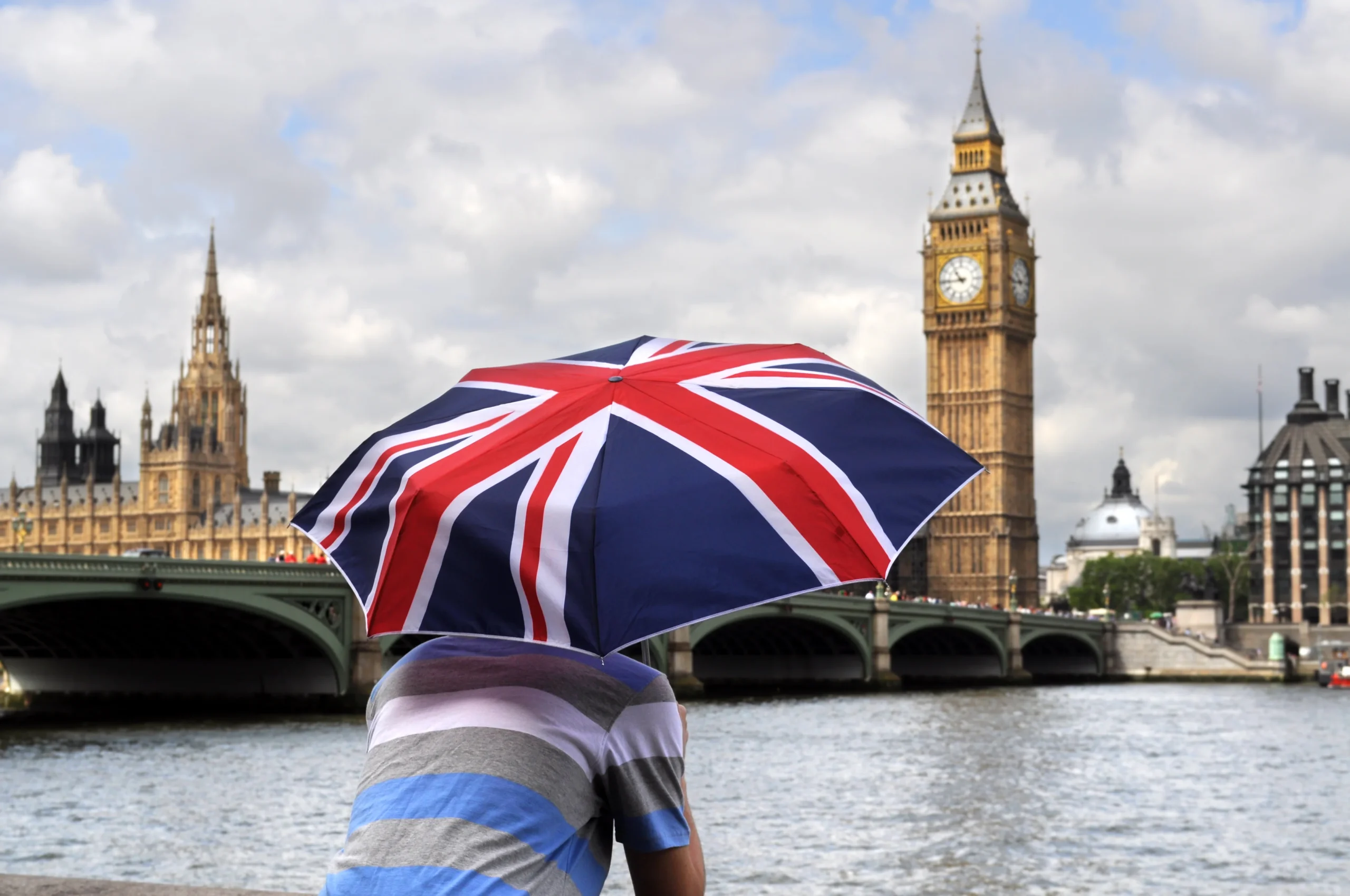
The 9 Landmarks You Should Not Miss in London
1. The Tower of London
A medieval fortress, a royal palace, a prison and the home of the Crown Jewels, with nearly a thousand years of history behind its walls. Take the free Yeoman Warder tour, it is the best hour you will spend here. It is a paid attraction, so book ahead, see our full guide on whether the Tower of London is worth visiting, or check tickets.
2. Tower Bridge
The Victorian bascule bridge everyone mistakes for London Bridge, and one of the great London photographs. Walking across it is free, and it still lifts for tall ships, so check the lift times and try to catch one. The high-level glass walkway Exhibition is the only part that charges.
3. Buckingham Palace and the Changing of the Guard
The King's official London residence, and the ceremony of the King's Guard in their red tunics and bearskins out front. Watching the Changing of the Guard is free, it runs on set days, more often in summer, so check the schedule and arrive early. In late summer the State Rooms open to paid tours.
4. Big Ben and the Houses of Parliament
The most photographed clock in the world, best shot from Westminster Bridge at golden hour. Seeing it is free, and you can now tour up the Elizabeth Tower, see our guide to guided tours of Big Ben for how to book the 334-step climb.
5. St Paul's Cathedral
Sir Christopher Wren's masterpiece, crowned by the great dome and the Whispering Gallery, where a murmur against the wall carries right around. It is a paid attraction. Afterwards, cross the Millennium Bridge for the classic dome-and-river view. Check St Paul's tickets.
6. The British Museum
The Rosetta Stone, the Parthenon sculptures, Egyptian mummies and treasures from every corner of the ancient world, all under one roof. Entry to the permanent collection is free, which leaves more for scones. See it in our guide to the best free museums in London.
7. The Shard
Western Europe's second-tallest building and the tallest in the United Kingdom at 310 metres. The View from the top is a paid ticket, but there is a clever alternative: book a table at one of the restaurants or bars a few floors down and get the sunset panorama for the price of a drink. Check The Shard tickets.
8. Camden Market
Not a monument, but pure London character, a warren of stalls with global street food, vintage fashion and the city's rock and roll history in the air. Free to wander, and one of the best places to eat cheaply. See our guide to Camden Market food.
9. The Natural History Museum
Dinosaurs, a vast blue whale skeleton, and a building so beautiful it is a landmark in itself, all for free. A guaranteed hit with children and grown-ups alike. It sits in the museum quarter of South Kensington alongside the Science Museum and the V and A.
How to See Them, and What to Book
Group the landmarks by area so you are not crossing London to tick them off. Cluster the Tower, Tower Bridge and The Shard around the river to the east; do Westminster, Big Ben, the Abbey and Buckingham Palace together; and give South Kensington's museums their own morning. Several of these are free, so your ticket money goes on the paid ones, the Tower, St Paul's and The Shard.
Save on the paid ones: if you plan to visit several paid landmarks, an attraction pass such as the Go City London pass can cost less than separate tickets and skips the ticket desk. Do the maths in our guide to combo tickets and passes.
See combo tickets and passes Compare tickets and tours
See them all in one day: if time is tight or you are with family, a private chauffeur-driven day links these landmarks with no queuing for transport. Our sister company Chauffeurz runs a London Highlights private tour that takes in Big Ben, Buckingham Palace, Tower Bridge and St Paul's, with the driver waiting while you explore.
A Few More You Might Add
If your list stretches to a tenth and beyond, the London Eye for the view, a Thames river cruise to see it all from the water, and the many free attractions around Westminster all reward the time. For a ready-made plan, follow our 3-day London itinerary.
Frequently Asked Questions
What landmarks should you not miss in London?
For a first visit, the essentials are the Tower of London, Tower Bridge, Buckingham Palace and the Changing of the Guard, Big Ben and the Houses of Parliament, St Paul's Cathedral, the British Museum, The Shard, Camden Market and the Natural History Museum. Together they cover London's history, royalty, culture and skyline.
What is the most famous landmark in London?
Big Ben and the Houses of Parliament are probably London's most recognised image, closely followed by Tower Bridge and the Tower of London. All three sit on or near the Thames and are easy to see for free from the riverbanks and bridges.
Which of London's must-see landmarks are free?
Seeing Big Ben, Tower Bridge and Buckingham Palace is free, as is the Changing of the Guard, and the British Museum and Natural History Museum are free to enter. Camden Market is free to browse. Only the Tower of London, St Paul's Cathedral and The View from The Shard charge admission among this list.
How many days do you need to see London's main landmarks?
You can see the headline landmarks in two to three full days if you group them by area. Three days lets you add a museum morning and a river cruise without rushing. Our 3-day London itinerary maps a comfortable route.
Do you need tickets for London's landmarks?
Only for the paid ones. The Tower of London, St Paul's Cathedral and The View from The Shard need tickets, best booked online in advance. The rest on this list are free to see or free to enter, though a few museums ask you to reserve a free timed slot.
What is the best way to see several London landmarks in one day?
Group them by area and walk between the close ones, using the river and the Tube for the longer hops. If comfort matters or you are with family, a private chauffeur-driven day tour links the main landmarks with no queuing, and an attraction pass keeps the ticket costs down.
Can you see London's landmarks on a budget?
Very much so. Most of London's famous landmarks are free to see or free to enter, so a first visit on a budget still takes in the best of the city. Save your spending for one or two paid highlights, and consider a pass only if you will visit enough to clear its price.
What is the tallest building in London?
The Shard, at 310 metres, is the tallest building in London and in the United Kingdom. Its viewing gallery, The View from The Shard, is a paid ticket, though you can also enjoy the height from its bars and restaurants a few floors below.
The Bottom Line
These nine landmarks are the backbone of a great first trip to London, a mix of history, royalty, culture and views that between them tell the story of the city. Group them by area, see the free ones freely, book the paid ones ahead, and let a pass carry the cost if your list is long. Then follow your curiosity from there.
About the Author
Sources and fact-check
Free and paid status, opening arrangements and the facts on each landmark, including The Shard as the tallest building in the UK, were checked against the attractions' own information and standard references in September 2026. Prices and details change, so confirm on the official page before you visit.
Skip the line, save on entry
Book ahead and skip the ticket queues at London's top attractions.
See the top London landmarks with Go City
Clara Whitby is Welcome2London’s AI travel curator, known to readers as The Londonologist. She was created by our editorial team to help first time visitors plan London and the rest of the UK with confidence: where to stay, how to get around, what is worth your money and what you can happily skip. Every guide she presents is researched from official sources and checked by the Welcome2London team before it goes live.
London, next two weeks
-
 Concerts Mon 12 Oct, 18:00Buy tickets for JUSTIN HAYWARD: THE STORY IN YOUR EYES TOUR
JUSTIN HAYWARD: THE STORY IN YOUR EYES TOUR
Cadogan Hall SW1X, London
See prices Buy tickets -
Concerts Mon 12 Oct, 18:30Buy tickets for The World of Hans Zimmer, a New Dimension
The World of Hans Zimmer, a New Dimension
The O2 SE10, London
See prices Buy tickets -
Theatre Mon 12 Oct, 19:30Buy tickets for Mamma Mia!
Mamma Mia!
Novello Theatre WC2B, London
See prices Buy tickets


Ticket links are affiliate links. They cost you nothing extra and they keep this site free.