The short answer: London's most photographed places are Tower Bridge, Big Ben and the Houses of Parliament, the London Eye, St Paul's Cathedral, the pastel streets of Notting Hill, the Shard and Buckingham Palace. Almost all of them you can shoot for free from the street. This guide gives you the best spot to stand at each one, the best light to catch it in, and a handful of simple phone tips so your photos actually look the way the place felt.
Whether you are here for a weekend or you have lived in London for years, the city is impossible to stop photographing. The trick is knowing where to stand and when to turn up. Below are the seven most photographed landmarks, five quieter spots worth the detour, and a plain-English guide to getting a better shot on the phone already in your pocket.
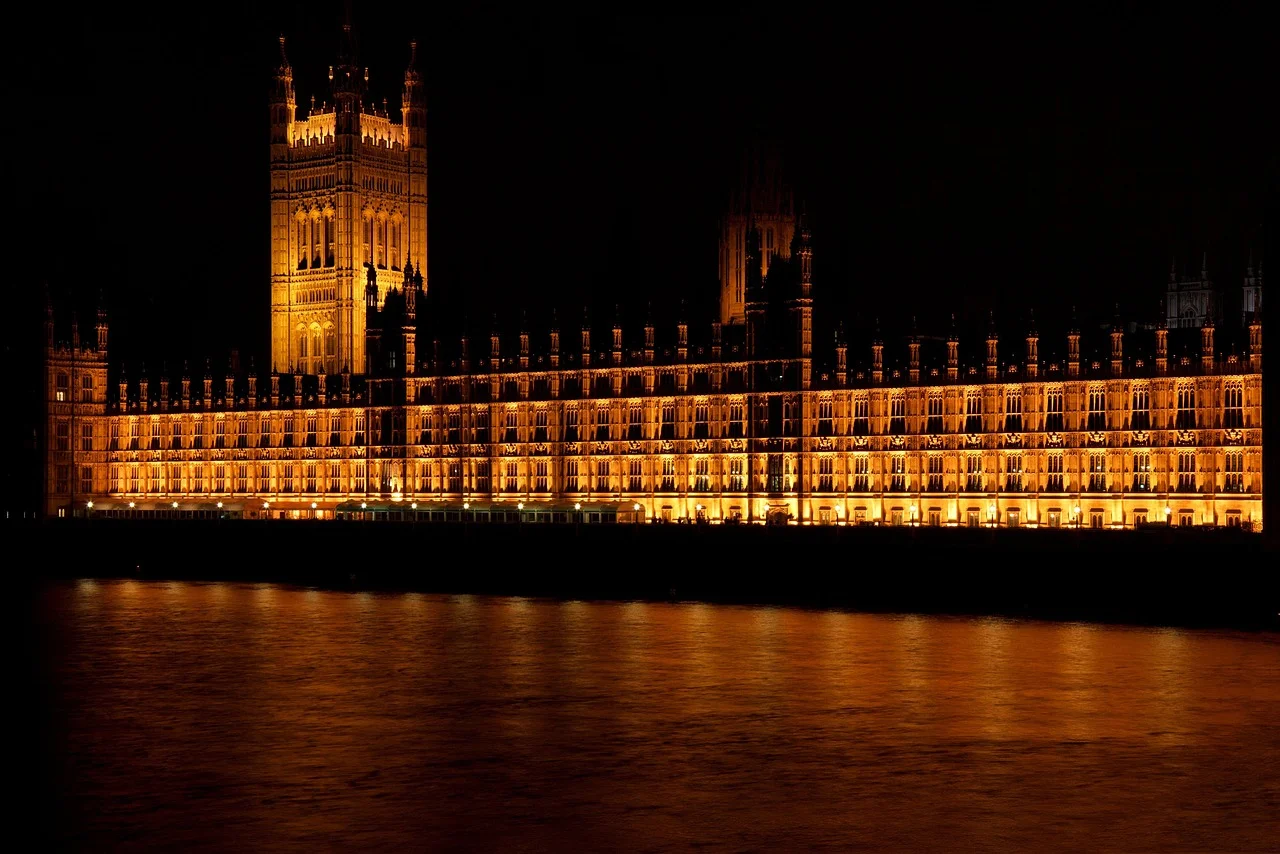
The 7 Most Photographed Places in London
1. Tower Bridge
The twin-towered Victorian bascule bridge that opened in 1894 is the image most people picture when they think of London. It is endlessly photogenic because it works from every angle, and it lifts for tall ships several times a week.
- Best spot: the south bank at Potters Fields Park for the full side-on view, or just east at Butler's Wharf and Shad Thames for a reflection over the water. The north bank by the Tower of London gives the classic postcard angle.
- Best light: sunrise, for warm light and empty frames, or after dark when the bridge is floodlit.
- Phone tip: tap the bridge on screen to lock focus, then slide the exposure down a touch so the pale stone and sky do not blow out to white.
Planning to climb it too? See whether the Tower of London next door is worth visiting.
2. Big Ben and the Houses of Parliament
One honest fact first: Big Ben is the Great Bell, not the tower. It has rung since 1859, and the tower was renamed the Elizabeth Tower in 2012 for the late Queen's Diamond Jubilee. After a five-year restoration finished in 2022, the clock looks better than it has in a generation.
- Best spot: Westminster Bridge, especially from the south end looking back. The red telephone boxes on the corner of Parliament Square line up beautifully with the tower. For the tower above the river, shoot from the South Bank opposite.
- Best light: blue hour, the twenty minutes after sunset, when the clock faces glow against a deep blue sky.
- Phone tip: turn on the camera gridlines and place the tower on the left or right third of the frame, not dead centre. It looks far more considered.
You can go inside too: here is how the Big Ben and Elizabeth Tower tours work.
3. The London Eye
The 135-metre wheel opened for the year 2000 and never left. It photographs two ways, as a subject on the skyline and as the place you shoot the rest of London from.
- Best spot: Jubilee Gardens right at its foot for the dramatic up-the-spokes shot, the Golden Jubilee footbridges to frame the whole wheel, or across the river from Westminster for the Eye over the water.
- Best light: after dark when the wheel is lit, and from the pod itself at sunset.
- Phone tip: to fit the whole wheel in, step well back and use the normal wide lens. Do not pinch to zoom, it only crops and softens the picture. Walk closer instead.
Riding it? Our guide to London Eye tickets covers the options, and the current ticket prices are here.
4. St Paul's Cathedral
Sir Christopher Wren's masterpiece was completed in 1711 and its great dome survived the Blitz. It is one of the most satisfying buildings in London to photograph, inside and out.
- Best spot: the Millennium Bridge, which lines up head-on with the dome, is the shot. For a framed view from above, the roof terrace at One New Change shopping centre is free and open to all. The south bank across the river works well too.
- Inside: St Paul's now welcomes non-flash personal photos on the Cathedral Floor, in the Crypt and up in the Stone and Golden Galleries (checked 2026). Photography is not allowed in the Whispering Gallery, and no flash, tripods or selfie sticks anywhere.
- Best light: late afternoon warms the stone, and the dome is floodlit after dark.
- Phone tip: to stop the dome leaning backwards, step back and hold the phone level using the built-in level, rather than tilting it up from the steps.
5. Notting Hill
West London's rows of pastel houses, the antiques stalls of Portobello Road and the rom-com glow of the 1999 film make this one of the city's most photographed neighbourhoods. A word first: people live in these houses. Shoot from the public pavement, keep your voice down, and do not block doorways or sit on the steps.
- Best spot: the candy-coloured terraces around Lancaster Road, Colville Terrace and St Luke's Mews, and Portobello Road itself on a Saturday when the market is on.
- Best light: early morning on a weekday, when the streets are empty and evenly lit.
- Phone tip: shoot a row of houses straight on at eye level for that flat, graphic, sweet-shop look, and turn the phone to portrait orientation to fit a single tall facade.
Chasing the film? The famous blue door is a replica now, and we sort fact from fiction in our guide to London film locations.
6. The Shard
Renzo Piano's glass spike opened in 2012 and, at 310 metres (1,016 feet), it is the tallest building in the United Kingdom. It is a magnet for photographers both as a subject and as a viewpoint.
- Best spot: from the north bank near the Tower of London for the Shard rising over Tower Bridge and the river, from London Bridge and St Thomas Street for a street-level angle, or the free Sky Garden across the water.
- From the top: the View from the Shard viewing galleries sit near the summit on floors 68 to 72. It is a paid ticket, but the reverse view straight down over the city is unlike anything else in London.
- Best light: sunset and blue hour, when the glass catches colour and the city lights switch on beneath you.
- Phone tip: shooting through glass at the top, press the lens flat against the window and cup a hand around it to kill reflections. Check the View from the Shard tickets before you go.
7. Buckingham Palace
The monarch's official London residence, its gilded gates, the Victoria Memorial and the Changing of the Guard draw cameras all year. The ceremony usually starts at 11:00 on selected mornings, but the days change month to month, so check the official Household Division schedule before you set out, and arrive at least forty-five minutes early for a spot at the railings.
- Best spot: the steps of the Victoria Memorial face the gates and give you height above the crowd. For the prettiest composition, the blue bridge in St James's Park frames the palace on one side and the Horse Guards rooftops on the other, one of London's best free views.
- Best light: morning for the ceremony; the Mall looks its best when the flags are up.
- Phone tip: use burst mode as the guards march past so you catch one sharp frame, then hold the phone high above the crowd or use the memorial steps for a clear line of sight.
Five More Photo Spots Worth the Detour
When you have the headline shots, these quieter corners reward the walk, and most are free.
- Sky Garden. A free public garden on top of the Walkie Talkie tower (20 Fenchurch Street), with floor-to-ceiling windows over the Thames, the Shard and the City. Pre-book a free timed slot online.
- One New Change rooftop. A free open-air terrace that frames the dome of St Paul's like a postcard, right beside the cathedral.
- Primrose Hill. A short, grassy climb north of Regent's Park for the classic London skyline, unbeatable at sunset. Free.
- Leadenhall Market. An ornate Victorian covered market in the City, all green and gold ironwork. It stood in for Diagon Alley in the Harry Potter films and is quietest at the weekend.
- Neal's Yard. A tiny, rainbow-painted courtyard tucked off the lanes of Covent Garden, one of the most colourful small spaces in London.
For the full list of landmarks, see the London sights not to miss and the most visited attractions in London.
How to Take Better Photos on Your Phone
You do not need a professional camera for any of these. A modern phone is more than enough. What separates a flat snap from a photo you want to print is a handful of habits, and none of them are technical.
Composition
- Use the gridlines. Turn them on in your camera settings and place the landmark along a line or where two lines cross, rather than in the dead centre. This is the rule of thirds, and it works every time.
- Find a leading line. A bridge, a road, a railing or the edge of the river draws the eye straight to your subject. Position yourself so one points at it.
- Leave a little room. Keep some space around the landmark so you can straighten and crop the shot later without cutting into it.
Light and timing
- Shoot at golden hour. The first and last hour of daylight give soft, warm light and far thinner crowds. Sunrise is the photographer's secret weapon in London.
- Stay for blue hour. The twenty minutes after sunset are magic for lit landmarks: the sky turns deep blue while the buildings glow. Big Ben, the Eye and Tower Bridge are made for it.
- Turn on HDR for high-contrast scenes, such as a bright sky above a shadowed building, so both keep their detail.
Getting the exposure right
- Tap, then slide. Tap the screen on the landmark to set focus, then drag the little sun icon down so bright skies and white stone do not burn out. This one habit fixes most washed-out photos.
- Use Night mode in low light, and brace the phone against a railing or wall to hold it steady while it captures.
- Clean the lens first. A smudge from your pocket is the single most common cause of hazy, soft pictures. A quick wipe makes a real difference.
Shooting tall buildings
- Keep the phone level. Use the built-in level or grid so towers stand straight rather than leaning back. Step back instead of tilting the phone up.
- Or lean into it. Stand at the base and shoot straight up for a bold, deliberate look where the lines rush together. Works well at the Shard and inside St Paul's.
- Skip the digital zoom. It just crops and softens the image. Walk closer, or switch to your phone's dedicated telephoto lens if it has one.
People and movement
- For a portrait in front of a landmark, stand far enough back that both the person and the building fit. Use portrait mode only when the landmark is close, or it will blur too.
- Use burst mode for anything moving: the marching guards, a street performer, the slowly turning Eye. Pick the sharpest frame afterwards.
- Switch to panorama for wide skylines, such as the view from Primrose Hill or along the South Bank.
Want Someone Else Behind the Camera?
If you would rather be in the photos than forever holding the phone, a local photographer already knows the light, the angles and the quiet times at each spot. Our guide to hiring a personal photographer in London covers typical prices and the best shooting locations.
Doing a photo morning? Catching sunrise at Tower Bridge and then the empty streets of Notting Hill before the crowds means moving fast across the city. A private car between spots saves the time you would lose on the Tube. Chauffeurz can arrange one through their private tours. A comfort, not a saving, but a useful one on a tight morning.
Paid Viewpoints Worth the Ticket
Almost everything above you can shoot for free from the street. A few places reward a ticket with a view you cannot get any other way.
- The View from the Shard for the highest outlook in the city. Check tickets.
- The London Eye for the slow, glass-pod panorama. Check tickets, or read our London Eye guide.
- St Paul's Cathedral for the interior and the climb to the Golden Gallery. Check tickets.
- Tower Bridge for the high-level walkways and the glass floor looking down on the road. Check tickets.
Planning several of these, plus the view from the top? A single pass usually beats buying them one by one, and you can weigh it up in our guide to combo tickets and passes.
See the Go City pass Compare photo tours and tickets
Getting Around the Photo Spots
The good news is that most of the headline views cluster along the Thames. From the South Bank you can line up the Eye, Big Ben across the water, St Paul's over the Millennium Bridge, and the Shard downriver, all on one walk. A river trip strings several of them together from the water, and you can read about the best things to see from a Thames cruise. For the free sights dotted around town, see our guide to free things to do in London and the free attractions you can visit.
Frequently Asked Questions
What are the most photographed places in London?
The seven that lead the list are Tower Bridge, Big Ben and the Houses of Parliament, the London Eye, St Paul's Cathedral, the pastel streets of Notting Hill, the Shard and Buckingham Palace. Close behind are skyline spots such as Primrose Hill, the Sky Garden and the view over St Paul's from One New Change.
Where is the best place to photograph Tower Bridge?
Potters Fields Park and Butler's Wharf on the south bank give the full side-on view, with a reflection over the water from the Butler's Wharf side. The north bank by the Tower of London gives the classic postcard angle. Arrive at sunrise for warm light and empty frames.
Can you take photos inside St Paul's Cathedral?
Yes. St Paul's now allows non-flash personal photography on the Cathedral Floor, in the Crypt and in the Stone and Golden Galleries. It is not allowed in the Whispering Gallery, and flash, tripods, monopods and selfie sticks are not permitted anywhere. Avoid photographing during services.
What is the best time of day for photos in London?
Golden hour and blue hour. The first and last hour of daylight give soft, warm light and thin crowds, and sunrise in particular clears the tourists. The twenty minutes just after sunset light the landmarks against a deep blue sky, which is ideal for Big Ben, the Eye and Tower Bridge.
Where can I get the best London skyline photo?
Primrose Hill is the classic free viewpoint, best at sunset. The Sky Garden on top of the Walkie Talkie is free with a pre-booked slot, Greenwich Park looks across the City and Canary Wharf, and the View from the Shard is the highest paid outlook in London.
Do I need a special camera, or is a phone enough?
A modern phone is plenty for every spot in this guide. Clean the lens, turn on the gridlines, tap the screen to set the exposure, avoid the digital zoom, and shoot in good light. Those habits matter far more than the hardware.
Is it alright to photograph the houses in Notting Hill?
Yes, from the public pavement, but remember these are private family homes. Keep your voice down, do not block doorways or sit on the steps, and go early in the morning when the streets are quiet. Be considerate and you will get a better, calmer shot anyway.
What time is the Changing of the Guard for photos?
It usually begins at 11:00 on selected mornings, and more often in summer, but the days change through the year. Check the official Household Division schedule before you go, and arrive at least forty-five minutes early for a clear spot at the railings or on the Victoria Memorial steps.
The Bottom Line
London rewards photographers who plan a little. Pick your landmarks, turn up at sunrise or stay for blue hour, stand in the right spot, and use a few simple phone habits, and you will come home with photos that look like the city felt. Shoot the free views first, save a ticket for the one outlook you cannot get from the street, and leave time to wander, because the best London photo is often the one you did not plan.
About the Author
Sources and fact-check
Photography rules, viewpoint access and ceremony timings were checked against the cathedrals', attractions' and Household Division's own published information in September 2026. Schedules and prices change, so confirm on the official page before you set out.
Clara Whitby is Welcome2London’s AI travel curator, known to readers as The Londonologist. She was created by our editorial team to help first time visitors plan London and the rest of the UK with confidence: where to stay, how to get around, what is worth your money and what you can happily skip. Every guide she presents is researched from official sources and checked by the Welcome2London team before it goes live.
London, next two weeks
-
 Concerts Mon 12 Oct, 18:00Buy tickets for JUSTIN HAYWARD: THE STORY IN YOUR EYES TOUR
JUSTIN HAYWARD: THE STORY IN YOUR EYES TOUR
Cadogan Hall SW1X, London
See prices Buy tickets -
Concerts Mon 12 Oct, 18:30Buy tickets for The World of Hans Zimmer, a New Dimension
The World of Hans Zimmer, a New Dimension
The O2 SE10, London
See prices Buy tickets -
Theatre Mon 12 Oct, 19:30Buy tickets for Mamma Mia!
Mamma Mia!
Novello Theatre WC2B, London
See prices Buy tickets

Ticket links are affiliate links. They cost you nothing extra and they keep this site free.